
The Question NCBA Asked Before Saying Yes to Nedbank
The real calculation happened long before any number was placed on the table

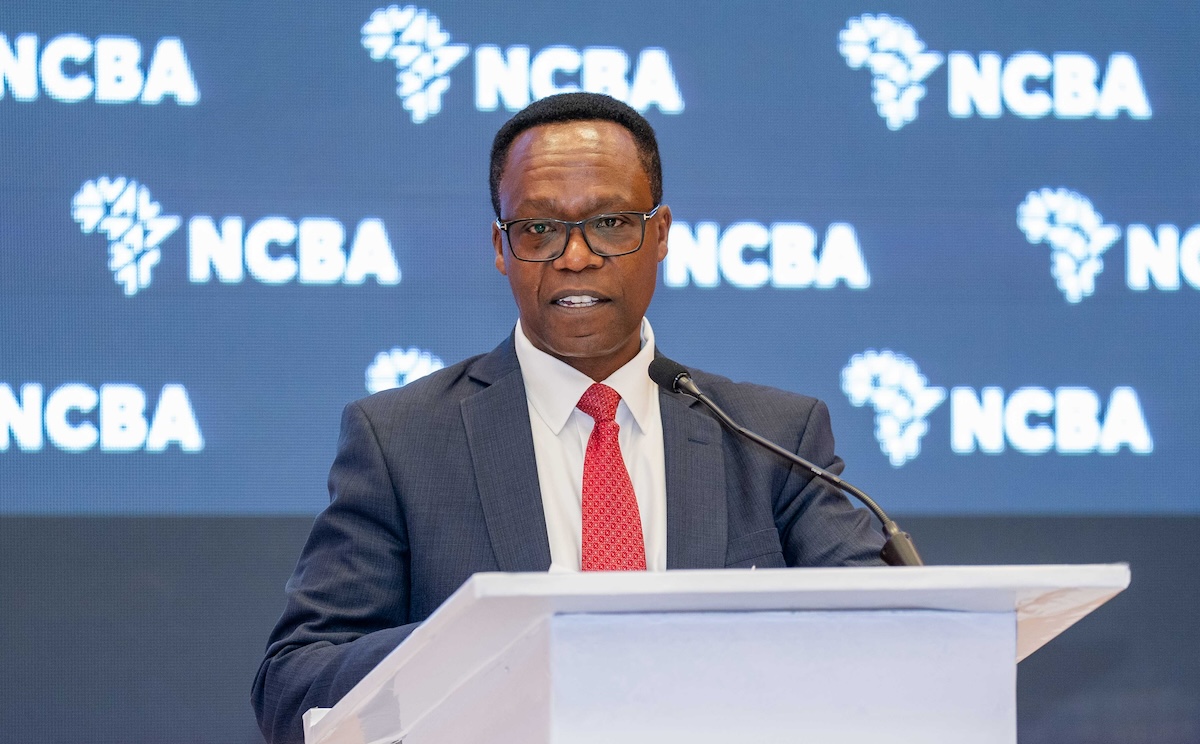
When NCBA’s board finally settled on Nedbank, it was not ending a bidding war so much as closing off a line of risk. The bank had drawn interest from several directions over time. Some of it serious. Some speculative. All of it disruptive in different ways. What tipped the balance was not valuation alone, even at a price north of Sh109.9 billion for 66 percent. It was the question that lingers longest after mergers in this region: what breaks, and who pays for it.

John Gachora’s explanation was unusually blunt by banking standards. The board wanted an investor that would not force NCBA through another round of system rewrites, job losses, and brand surgery. History had already provided enough cautionary tales.
A Merger Memory That Still Shapes Decisions
NCBA itself is the product of consolidation. The 2019 merger between CBA and NIC created scale, but it also came with branch rationalisation, overlapping roles, and months of operational strain. Staff felt it. Customers noticed it. Regulators watched closely.
That experience appears to have left a mark. Gachora’s repeated reference to avoiding “painful integration” was not rhetorical flourish. It was institutional memory speaking. In that light, the rumours linking NCBA to Standard Bank, via Stanbic Holdings, carried an obvious risk. Stanbic already operates in the same markets. Any deal there would have come with overlapping policies, duplicated systems, and hard decisions about people.

Nedbank, by contrast, arrived without that baggage.
The Appeal of an Investor With No Local Footprint
Apart from a representative office in Nairobi, Nedbank does not run operating banks in Kenya, Uganda, Tanzania, or Rwanda. That absence turned into an advantage. No duplicated core systems. No parallel credit committees. No quiet question marks over which brand survives.
Under the proposed structure, NCBA keeps its board, its name, and its management team. Nedbank nominates at least 2 directors. NCBA shareholders take 1 seat at Nedbank. Control changes hands, but the operating shape stays recognisable.
For staff, this matters in practical ways. Fewer redundancies. Less retraining. Less uncertainty about where decisions will be made. For customers, it reduces the risk of service disruptions that often follow large banking deals, even when those disruptions are framed as temporary.
A Deal Built to Keep Shareholders Engaged
The transaction itself reflects the same thinking. Only 20 percent of the consideration is cash. The remaining 80 percent is settled in Nedbank shares listed in Johannesburg. Local investors do not simply exit. They roll forward into a larger balance sheet, while keeping exposure to NCBA’s future.
Top shareholders controlling 71.2 percent of the register have already backed the offer. That level of support suggests the logic resonated well beyond management.
Valuation at 1.4 times book places the deal firmly in strategic territory. It is not a fire sale. It is not a reach. It prices NCBA as a functioning platform with room to grow.
Digital Scale, Not Branch Density, Did the Talking
NCBA’s appeal to Nedbank rests heavily on what it already does at volume. The group serves more than 60 million customers across 6 countries and runs digital lending flows exceeding Sh1 trillion annually. That machinery is already built. It does not need to be transplanted.
For Nedbank, whose presence in East Africa has been largely observational until now, this provides an operating base without the slow grind of organic entry. Kenya becomes the anchor. Uganda, Tanzania, and Rwanda follow naturally. Beyond that, management is already speaking openly about Ethiopia and the Democratic Republic of Congo.
Those markets bring their own complications. Regulation, currency risk, political exposure. But they also reward institutions that can move without tearing themselves apart internally.
Consolidation, With Fewer Casualties This Time
Kenya’s banking sector has spent the last decade learning how costly consolidation can be when it is rushed or poorly aligned. Branch closures, system outages, talent drain. None of that has faded from memory.
NCBA’s decision suggests a different playbook. Choose the investor that leaves the least debris. Preserve what works. Add capital and reach where needed. Accept new oversight without surrendering local control.
Regulatory approval from the Central Bank of Kenya and other authorities will take between 6 and 9 months. During that window, the real test will be whether this restraint holds, or whether gravity pulls the deal toward deeper integration than currently promised.
For now, NCBA’s message is clear enough. In a sector used to loud mergers, it picked the bidder that promised not to rearrange the furniture.
[Secure Your Seat at Africa Tech Summit Nairobi 2026 | February 11–12 here] Use code TTRENDS10 at checkout to save 10% on your pass and join the leaders building Africa’s $1 trillion cross-border payment future.
Go to TECHTRENDSKE.co.ke for more tech and business news from the African continent.
Follow us on WhatsApp, Telegram, Twitter, and Facebook, or subscribe to our weekly newsletter to ensure you don’t miss out on any future updates. Send tips to editorial@techtrendsmedia.co.ke

