
How the U.S.–China TikTok Deal Tries to Reconcile Law, Algorithm Control, and Digital Sovereignty
What looks like a straightforward rescue plan for TikTok is really a patchwork of politics, investor interests, and uneasy compromises between Washington and Beijing.

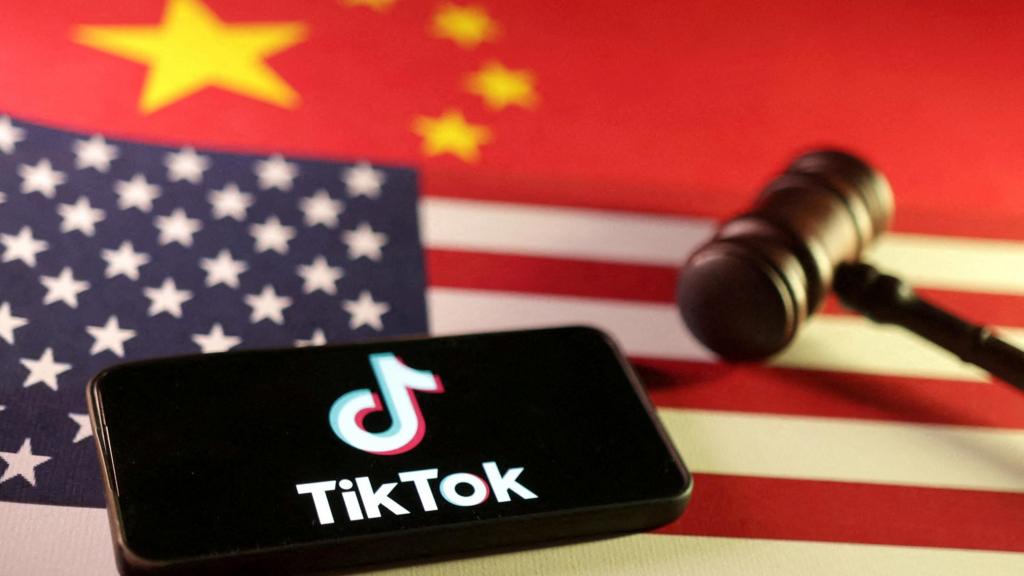
For millions of Americans scrolling through TikTok’s “For You” page, the app’s algorithm is the unseen force shaping what they see, hear, share. It’s not just code—it’s power. So when the U.S. government, Congress, and ByteDance (TikTok’s Chinese owner) began negotiating who controls that engine, what data it uses, and who owns it, the stakes were never going to be small.
Now, after a year of tension and deadlines, there is a deal on the table. The U.S. and China are reportedly lining up terms that keep TikTok alive in America—through leasing of the algorithm rather than an outright sale. A new U.S. entity, led by American investors, will hold operational and board control; Oracle plays a central role in oversight. But many questions remain: does this satisfy the law? Can it assuage national security concerns? And what precedent does it set for global digital sovereignty?
The Legal Backdrop: Laws, Deadlines, and Digital Edge
In 2024, bipartisan legislation demanded that ByteDance either spin off its U.S. operations or face a nationwide ban. The law was driven by fears surrounding national security: concerns that U.S. user data could be accessed by the Chinese government, or that TikTok’s recommendation system could be manipulated for influence.
But implementation has been messy. The divestment deadlines have been postponed multiple times, enforcement paused again and again as negotiations dragged on. These delays highlight not just political gridlock, but how complex it is to untangle algorithmic control, intellectual property, and regulation across borders.

What the Deal Proposes: Leasing, Oversight, U.S. Board Majority
According to reports from Axios, Reuters, Bloomberg, and Politico, here’s what the structure looks like:
- Algorithm Leasing, Not Sale: ByteDance would duplicate its content-recommendation algorithm, then lease that copy to a U.S. joint venture.
- Retraining & Oversight: Oracle would retrain the leased algorithm with U.S. user data, monitor its outputs, and host U.S. data on domestic servers.
- Ownership Structure: U.S. investors—including Oracle, Silver Lake, and Andreessen Horowitz—would control roughly 80% of the new entity, with ByteDance’s stake below 20%.
- Board Control: A board majority tilted toward Americans, with only one ByteDance representative. The U.S. government itself would not take an equity stake or a board seat.
- User Experience: Americans wouldn’t need to download a new app; TikTok would continue to function as before, though its backend would be reshaped.
What’s Being Claimed vs. What’s Being Questioned
Claimed wins:
- Legal compliance: By giving operational control to U.S. investors, the deal attempts to meet the requirements of the 2024 divestment law.
- Security assurances: Retraining the algorithm on U.S. data and keeping servers on American soil are pitched as ways to protect against foreign interference.
Lingering concerns:
- The “cooperation” loophole: The law explicitly bans “cooperation with respect to the operation of a content recommendation algorithm.” Leasing and retraining could look like cooperation—critics argue this risks breaking the law’s spirit.
- ByteDance’s minority role: Even with less than 20%, does ByteDance retain subtle influence through licensing terms or technical vetoes?
- Beijing’s approval: Reports suggest China gave tacit approval during talks in Madrid, but official signals remain mixed. Export controls on sensitive AI tech could become a stumbling block.
- Oversight clarity: Who verifies that Oracle’s retrained algorithm is fully independent? What happens if flaws or backdoors emerge?
Stakes & Implications: Beyond TikTok
Precedent for Tech Governance: If the lease-and-oversight model works, it could serve as a template for other nations demanding algorithmic control from foreign platforms. Europe or India may follow.
Intellectual Property Dilemmas: Leasing algorithms blurs the line between ownership and control. Other tech firms may resist such arrangements, fearing loss of trade secrets.
Digital Sovereignty: The deal underlines how fiercely countries guard sovereignty over digital systems. It’s not just about user data, but who sets the logic that defines information flow.
User Experience and Free Expression: Even retrained, algorithms shape what users see and don’t see. This may reduce foreign influence, but risks around bias, moderation, and filter bubbles remain.
What To Watch
How restrictive will ByteDance’s algorithm lease terms be?
Most likely, the lease will prevent U.S. operators from modifying the core architecture. ByteDance would retain intellectual property rights, limiting the U.S. venture to training and fine-tuning rather than rebuilding. That effectively keeps ByteDance in the loop, even if indirectly.
Who audits Oracle’s retraining process?
Oracle is the day-to-day watchdog, but a government-mandated third-party audit is probable. Expect annual reviews, perhaps overseen by CFIUS or an independent cybersecurity firm, to reassure Congress the oversight isn’t just symbolic.
Could Beijing block export or duplication of the algorithm?
Yes. China has tightened export rules on AI and recommendation engines. Leasing may get Beijing’s approval because ownership remains with ByteDance, but Beijing could still impose conditions on how much of the code or training methodology leaves its borders.
Will Congress or courts challenge the deal?
It’s very possible. Some lawmakers already view leasing as a loophole. If challenged, the case would hinge on whether “leasing” counts as cooperation under the 2024 law. A court battle—or new legislation—could still derail the arrangement.
Could subtle algorithmic changes shift TikTok’s feel for U.S. users?
Almost certainly. Algorithms retrained on U.S. data might prioritize different cultural signals, leading to shifts in what trends. Some creators could see their reach soar while others fade. If users sense the “For You” feed feels different, they might drift toward YouTube Shorts or Instagram Reels.
Conclusion
The TikTok algorithm control deal is more than a corporate restructuring. It’s a test case for how nations assert sovereignty over digital platforms in a globalized era. The leasing arrangement may buy time, satisfy investors, and preserve the app’s presence in the U.S., but it also raises uncomfortable questions about law, oversight, and accountability.
Whether this becomes a sustainable template or a legal quagmire depends on how transparent, enforceable, and independent the final arrangement turns out to be. What’s certain is that TikTok’s story is no longer just about viral videos—it’s now a flashpoint in the struggle over who governs the algorithms that govern us.
Go to TECHTRENDSKE.co.ke for more tech and business news from the African continent.
Mark your calendars! The TechTrends Pulse is back in Nairobi this October. Join innovators, business leaders, policymakers & tech partners for a half-day forum as we explore how AI is transforming industries, driving digital inclusion, and shaping the future of work in Kenya. Limited slots – Register now – here.
Follow us on WhatsApp, Telegram, Twitter, and Facebook, or subscribe to our weekly newsletter to ensure you don’t miss out on any future updates. Send tips to editorial@techtrendsmedia.co.ke
TechTrends Media Podcasts

