
Regulatory Changes Push Twitch to End Monetization in Kenya, Leaving Streamers Without Income
Kenyan streamers spent years building loyal communities online — now they're being told their work no longer counts as income.

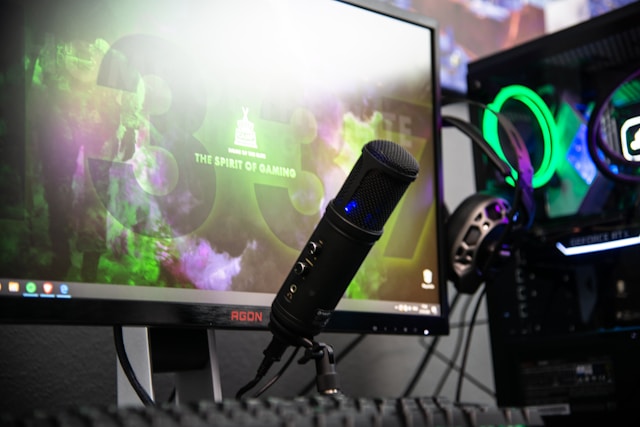
Twitch has quietly pulled the plug on monetization for Kenyan creators, and the fallout is immediate. No more Bits. No more subscriptions. No more ad revenue. For a lot of streamers in Nairobi, Mombasa, Eldoret, all the way to Kisumu, it feels like someone just walked into the server room and flipped off a switch with no warning.

The company says new local regulations made it difficult to continue supporting payouts in Kenya. They didn’t explain which laws or what exactly changed — only that the Partner and Affiliate programs can’t continue in the country for now. Streamers can still go live and keep their channels active, but as far as earning money from Twitch? That’s gone.
“We Didn’t Just Go Live for Vibes…”
Kenya has one of the loudest and fastest-growing gaming communities on the continent. If you’ve spent any time online recently, you’ve probably seen Kenyan content creators covering everything from football simulations to late-night banter streams. People built communities. Audiences showed up. Small incomes started to grow.
For some, it covered internet bills. For others, it paid rent.


Now they’re being told: you can keep streaming, just don’t expect a shilling from it.
Several streamers have already said they’re looking at YouTube or Facebook Gaming. Some might switch to Patreon or M-Pesa tips. But there’s no quick substitute for what Twitch brought: a steady mix of audience, culture, and income — all in one place.
Regulation Versus Reality
This isn’t the first time a global tech platform has pulled back from Kenya because of regulatory friction, but it hits differently when real people are involved — young creators, many of whom were just starting to turn passion into a career. The country is tightening rules around digital income and financial compliance, which is understandable, but creators end up caught in the middle.
Twitch, instead of figuring out a localized payout model, has simply stepped back.
That may make business sense for them, but for Kenyan users, it feels like abandonment.
So What Now?
Creators will adapt. That’s what they do. Some are already migrating to YouTube, where monetization still exists — though it’s not always as straightforward. Others are talking about building audiences on TikTok or setting up side channels on Instagram Reels.
But something has clearly shifted. For a lot of people, Twitch wasn’t just a streaming site — it was where they built identity, audience, even friendships.
Turning off monetization doesn’t just cut income — it cuts momentum.
The Bigger Picture
It’s easy to underestimate what Kenyan streamers were building on Twitch. It wasn’t flashy, but it was real. People logging in every night, cheering for local talent, forming inside jokes, communities, clans. Now the future of that ecosystem is uncertain.
Twitch may or may not return to Kenya once things get ironed out legally, but creators aren’t waiting around. They can’t afford to.
And maybe that’s the point — platforms can leave. Communities stay.
Go to TECHTRENDSKE.co.ke for more tech and business news from the African continent.
Follow us on WhatsApp, Telegram, Twitter, and Facebook, or subscribe to our weekly newsletter to ensure you don’t miss out on any future updates. Send tips to editorial@techtrendsmedia.co.ke
TechTrends Media Podcasts


Bitcoin fixes this. They can just include a bitcoin lightning address on their stream and receive funds directly, no middleman, no censorship. Pure peer-to-peer value-for-value exchange of services online.