
Why Meta Thinks the Future of AI Isn’t Work but Keeping You Entertained and Online
Instead of helping you work faster, Meta’s new AI strategy is focused on keeping you online longer — and knowing you better than ever.

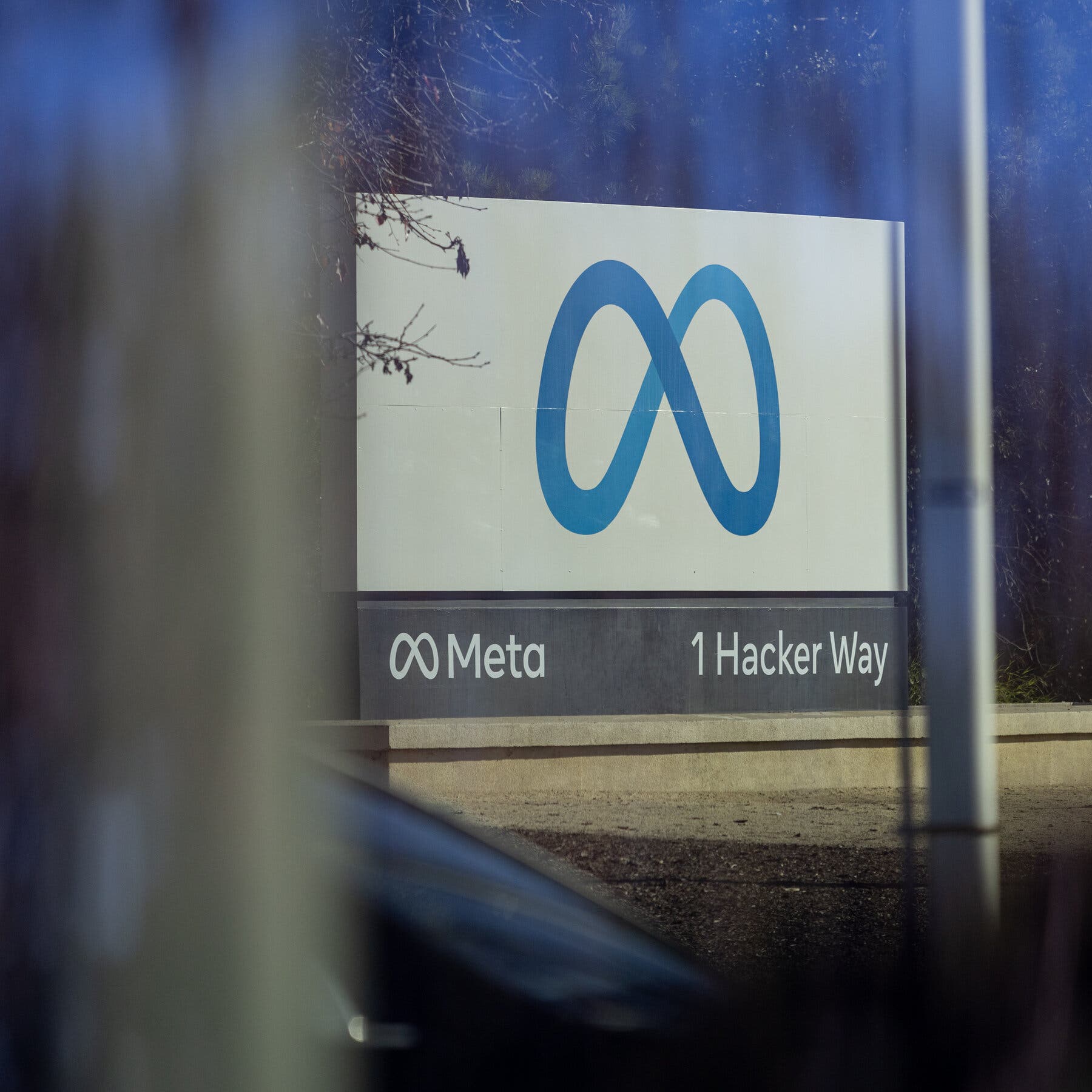
Meta isn’t trying to outdo ChatGPT anymore. At least not on its turf.

Mark Zuckerberg’s latest move reframes the company’s entire AI outlook. Instead of chasing the dream of the ultimate productivity assistant, Meta is leaning into what it already does best: grabbing attention, holding it, and monetizing every scroll, like, and share.
That’s the essence behind his push for “personal superintelligence” — a term borrowed from Character.AI’s Noam Shazeer and retooled to suit Meta’s empire of entertainment, social media, and digital presence. In plain terms, Zuckerberg doesn’t want to build an AI that writes your emails or codes your app. He wants to build the AI that keeps you company once those tasks are done.
From Super Assistant to Super Engager
OpenAI has spent the past two years perfecting tools that write, summarize, and automate workflows. Meta, by contrast, is reorienting its strategy around AI that knows who you are, what you like, and how to keep you coming back.


In a recent blog post, Zuckerberg emphasized that future AI won’t just help with tasks. It will understand users deeply, serve as a creative partner, and become part of daily digital life. That vision — less focused on output, more focused on experience — slots neatly into Meta’s DNA.
At an internal all-hands meeting, Meta Chief Product Officer Chris Cox put it plainly: the company will invest in AI that supports entertainment, social connection, and real-time content — not spreadsheets and slide decks.
This isn’t Meta surrendering. It’s reloading with a strategy built on familiar terrain.
AI for the Attention Economy
What does personal superintelligence look like in Meta’s hands? Think AI-generated Reels that mirror your taste. AI chat personas that remember what you talked about last week. Tools that let creators quickly produce and push content to audiences that algorithms already understand intimately.
Meta is already testing some of this. AI chatbots modeled after public figures, custom content feeds, and tools to remix existing media are all part of the company’s experimental pipeline. If generative AI can be shaped to maximize time-on-platform, Zuckerberg will use it.
This direction also explains Meta’s aggressive recruitment in AI circles. The company is offering massive compensation packages — often structured more like executive pay than standard tech salaries — to lure top-tier talent. But these offers come with performance targets and clawback clauses, making them high-risk, high-reward propositions. So far, not everyone’s biting.
Where This Leaves the Broader AI Race
OpenAI, Anthropic, and Google are locked into a contest to build the smartest, most capable AI systems. That race is expensive, resource-intensive, and — at least for now — harder to monetize at scale.
Meta is sidestepping that competition. Instead of building the most powerful tool, it wants the most engaging one. That puts it in a different class of AI player. Less about raw horsepower, more about stickiness.
And that may prove wise. As OpenAI’s own chief scientist recently said, the field has reached a point where academic benchmarks matter less than what AI can do for people in everyday life. Meta is betting that “everyday life” means connection, creativity, and killing time. Not quarterly reports.
What This Means for Design Tools Like Figma
Elsewhere in tech, companies are also adapting to the new AI reality. Figma, which just debuted on the public markets, faces a future where AI-generated design could threaten its core use case. But the company’s leadership isn’t panicking.
Speaking after the IPO bell, Figma CPO Yuhki Yamashita emphasized the value of human alignment and collaborative refinement. In his view, the differentiator isn’t speed — it’s intentionality. Co-founder Dylan Field has said the same: design is no longer decoration; it’s the product.
That framing positions Figma as a collaboration platform rather than just a design tool. Still, with AI-native startups rising fast, the company is likely to make acquisitions to stay ahead. Field, a prolific angel investor in the AI scene, has both the network and appetite to pull that off.
The Real Contest Is for Time, Not Tasks
Zuckerberg’s latest AI pivot shows that Meta isn’t chasing utility — it’s chasing presence. Personal superintelligence, in Meta’s vision, won’t automate your job. It will become part of your downtime. The AI you talk to, laugh with, watch content from. The AI that never lets the feed run dry.
It’s not the same race OpenAI is running. But it might be the more lucrative one.
Follow us on WhatsApp, Telegram, Twitter, and Facebook, or subscribe to our weekly newsletter to ensure you don’t miss out on any future updates. Send tips to editorial@techtrendsmedia.co.ke

