
Kenya to Buy 3,000 Electric Vehicles, Backing Local Assembly
A government switch from petrol cars to locally assembled EVs begins to reshape how the sector grows


Kenya’s National Treasury says it will replace planned purchases of 2,500 petrol and diesel vehicles with 3,000 electric units assembled locally, tying the decision to rising risks in global oil supply and the country’s heavy fuel import bill. Cabinet Secretary John Mbadi told lawmakers the move is intended to cut exposure to volatile fuel prices while backing domestic electric vehicle production.

The procurement change places government demand at the center of a market that has struggled to grow beyond motorcycles and buses. Officials say suppliers will assemble the vehicles in Kenya, with additional incentives under consideration ahead of the next finance bill.
Government demand moves first
Public procurement has often set the pace in Kenya’s transport transitions. By increasing the number of units and requiring local assembly, the Treasury is creating a guaranteed buyer in a segment where private uptake has been slow.
Mbadi framed the decision in fiscal terms, pointing to the cost of fuel imports and the need to reduce pressure on the balance of payments. Petroleum products account for about 20 percent of Kenya’s import bill, leaving the economy exposed when global supply tightens.

Passenger EVs still lag the market
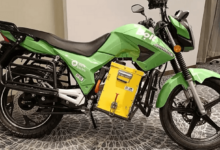
Industry data shows electric cars remain a small share of Kenya’s electric fleet. Of roughly 14,750 electric vehicles registered between 2018 and 2024, only 326 are passenger cars. Two- and three-wheelers dominate, accounting for close to 90 percent, largely driven by commercial use in urban transport.
Cost remains the central constraint. While assemblers benefit from tax relief on components and exemptions on certain import duties, most electric cars enter the market as new units. That places them at a disadvantage against used petrol vehicles, which attract lower taxes under Kenya Revenue Authority depreciation rules.

Hezbon Mose, president of the Electric Mobility Association of Kenya, said scale is the missing piece.
“To accelerate uptake, we need critical mass. The more vehicles in the market, the lower the prices become.”
Infrastructure follows fleet size
Charging infrastructure remains limited and concentrated in major towns, which has narrowed the practical use of electric cars. Industry players argue that a large state fleet could make private investment in charging networks more viable, particularly along commuter corridors.
Electricity costs per kilometre are already lower than petrol for high-usage drivers, offering a clear operating advantage where charging is available.
Regional pressure builds
Kenya’s approach has leaned on private investment and incremental policy support. Elsewhere in the region, governments have taken more direct measures. Ethiopia has moved to restrict imports of internal combustion vehicles and has built an electric fleet exceeding 115,000 units. Rwanda has focused on targeted incentives, especially in motorcycle electrification.
A recent study by Agora Verkehrswende and GIZ pointed to gaps in Kenya’s policy coordination and the short-term nature of fiscal incentives as barriers to faster adoption.
Next steps tied to tax policy
Treasury officials say further measures are under review, with industry groups pushing for tax changes that would narrow the price gap between electric and used petrol cars. The outcome of the upcoming finance bill is likely to determine whether the government’s own procurement can translate into broader market adoption.
Mbadi said the direction is set. “We must reduce reliance on fossil fuels and go to electric vehicles,” he told lawmakers.
Mark your calendars! The GreenShift Sustainability Forum is back in Nairobi this August. Join innovators, policymakers & sustainability leaders for a breakfast forum as we explore sustainable solutions shaping the continent’s future. Limited slots – Get your early bird tickets now – here. Email info@techtrendsmedia.co.ke for partnership requests.
Go to TECHTRENDSKE.co.ke for more tech and business news from the African continent and across the world.
Follow us on WhatsApp, Telegram, Twitter, and Facebook, or subscribe to our weekly newsletter to ensure you don’t miss out on any future updates. Send tips to editorial@techtrendsmedia.co.ke


