
NTSA Instant Fines Management System in Kenya: How Automated Traffic Fines Work
Kenya’s new NTSA instant fines system shifts traffic enforcement from roadside stops to cameras, digital records, and automated penalties.

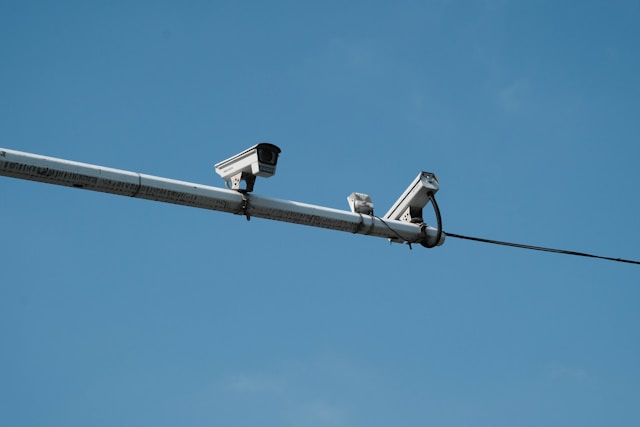
The NTSA Instant Fines Management System is a digital enforcement platform introduced by the National Transport and Safety Authority in Kenya to automate traffic offence detection and fine collection. The system uses smart road cameras, automated records, and SMS notifications to issue administrative penalties without direct interaction between motorists and traffic police.
The National Transport and Safety Authority administers the platform under the Traffic Act and the Traffic (Minor Offences) Rules 2016.
Payments must be made through Kenya Commercial Bank branches within 7 days.
This system replaces roadside discretionary enforcement with automated financial penalties tied directly to the national vehicle and driver registry.


How does the NTSA Instant Fines Management System detect traffic violations?
The Instant Fines Management System detects violations through networked road cameras and automated vehicle identification. Cameras capture speeding, number plate compliance, and other traffic offences. The system links the evidence to a vehicle or driver profile in the National Transport and Safety Authority registry and issues a digital violation notice through SMS.
The platform integrates more than 1,000 traffic monitoring cameras across Kenyan highways and urban corridors. About 700 cameras are fixed installations and 300 are mobile units. Violations are logged with timestamp, GPS location, vehicle registration, and photographic or video evidence. Offences are drawn from 37 administrative violations listed under the Traffic (Minor Offences) Rules 2016.

The automated notification includes the violation type, time, location, and fine amount.
Automated evidence collection removes direct roadside contact between motorists and enforcement officers. The previous enforcement structure depended heavily on discretionary stops by traffic police. That structure allowed informal payments to replace official fines. The automated system transfers enforcement authority from roadside officers to the central transport regulator.
This arrangement concentrates control within the National Transport and Safety Authority’s digital infrastructure.
Expansion of camera coverage will determine the scale of enforcement. High traffic corridors and urban centers will likely receive priority installation. Administrative fines will increasingly replace manual ticketing for minor traffic offences.
How much are fines under the NTSA Instant Fines system?
The Instant Fines System applies administrative penalties ranging from KSh 500 to KSh 10,000. The fine amount depends on the violation category defined in the Traffic (Minor Offences) Rules 2016. Speeding violations follow a graduated scale based on how far the driver exceeds the legal speed limit.
The system enforces 37 minor offences. Examples include driving without number plates at KSh 10,000, driving without an inspection certificate at KSh 10,000, obstruction of the road at KSh 10,000, failure to obey traffic signs at KSh 3,000, and mobile phone use while driving at about KSh 3,000. Seat belt violations may attract a KSh 500 fine.
Speeding penalties follow four brackets.
- 6–10 km/h above the limit: KSh 500.
- 11–15 km/h above the limit: KSh 3,000.
- 16–20 km/h above the limit: KSh 10,000.
Administrative fines convert routine traffic enforcement into standardized penalties that bypass court processes. Courts previously handled many minor traffic cases. The automated system allows regulators to process violations directly through administrative penalties linked to driver and vehicle records.
This model mirrors automated enforcement structures used in several jurisdictions where traffic cameras manage large volumes of minor offences.
Fine collection will depend on compliance and database accuracy. Enforcement revenue will increase as the system captures violations that previously went undocumented. The financial scale of traffic enforcement will become more visible through digital records.
How are motorists required to pay NTSA instant fines?
The NTSA Instant Fines System requires motorists to pay fines through Kenya Commercial Bank branches within 7 days. The payment must reference the violation notice issued through SMS. The National Transport and Safety Authority uses bank routing to ensure that all penalties enter official government accounts.
Motorists must present violation details at any Kenya Commercial Bank branch. Payment confirmation is recorded against the driver or vehicle record in the National Transport and Safety Authority system. Failure to settle the fine within 7 days leads to interest penalties and administrative restrictions on the vehicle or driver account.
The payment model removes direct cash handling by enforcement officers.
Routing payments through a bank channel creates a documented financial trail. Traffic enforcement historically involved direct cash payments during roadside stops. That structure allowed informal settlements between motorists and officers. The bank requirement introduces an external financial intermediary.
The change reduces opportunities for undocumented transactions.
Digital payment channels may expand after the system stabilizes. Integration with USSD services or mobile money platforms could increase compliance rates. Centralized payment records will allow regulators to audit enforcement outcomes more precisely.
What penalties apply if motorists ignore NTSA instant fines?
Unpaid NTSA instant fines accumulate penalties and block access to National Transport and Safety Authority services. A motorist who fails to pay within 7 days faces interest charges and administrative restrictions tied to the vehicle registration or driving licence record.
Blocked services may include vehicle ownership transfers, licence renewals, and other registry transactions processed through the National Transport and Safety Authority. The enforcement block remains active until the fine and accrued penalties are settled.
The system links violations directly to the driver or vehicle digital profile.
Administrative restrictions create leverage without requiring criminal prosecution. Traffic courts historically carried large caseloads involving minor offences. Digital service blocks allow regulators to enforce penalties through administrative control of vehicle and licence records.
The regulatory leverage rests on the authority’s control over national transport registries.
Compliance will depend on the breadth of services connected to the system. As additional registry functions integrate with the platform, unresolved violations will affect more administrative transactions involving drivers and vehicles.
NTSA Instant Fines in Kenya: Offence and Penalty Table
| Offence | Penalty |
|---|---|
| Driving without identification plates affixed or plates improperly fixed | KSh 10,000 |
| Driving a vehicle without a valid inspection certificate | KSh 10,000 |
| Causing obstruction on the road | KSh 10,000 |
| Failure to fit prescribed speed governor (PSV) | KSh 10,000 |
| Driving a PSV while unqualified | KSh 5,000 |
| Unlicensed person driving or acting as conductor of a PSV | KSh 5,000 |
| Driving on or through a pavement or pedestrian walkway | KSh 5,000 |
| Failure to stop when requested by a police officer in uniform | KSh 5,000 |
| Driving without a valid driving licence endorsement for the vehicle class | KSh 3,000 |
| Failure to obey traffic signs | KSh 3,000 |
| Driver using a mobile phone while driving | KSh 3,000 |
| Picking up or dropping passengers at unauthorized bus stops (PSV) | KSh 3,000 |
| PSV driver allowing an unauthorized person to drive the vehicle | KSh 3,000 |
| Failure to carry reflective warning signs | KSh 2,000 |
| Failure to renew a driving licence | KSh 1,000 |
| Failing to carry and produce a driving licence on demand | KSh 1,000 |
| Learner driver failing to display “L” plates | KSh 1,000 |
| Passenger boarding or alighting at unauthorized stop | KSh 1,000 |
| Travelling with part of body outside a moving vehicle | KSh 1,000 |
| Failure to wear a seat belt while vehicle is in motion | KSh 500 |
Why did Kenya introduce the NTSA Instant Fines Management System?
Kenya introduced the NTSA Instant Fines Management System to address systemic corruption in traffic enforcement. The platform removes roadside discretionary enforcement and replaces it with automated violation detection, centralized records, and bank-based fine payments.
The Ethics and Anti-Corruption Commission estimated in 2025 that traffic officers collected about KSh 3 billion in informal payments from motorists each month. The estimate was presented by Ethics and Anti-Corruption Commission Chief Executive Officer Abdi Ahmed Mohamud during anti-corruption briefings. Traffic police consistently ranked among the most bribery-prone public services in National Ethics and Corruption Survey reports.
The automated fines program followed a directive issued in early March 2026.
The enforcement structure reflects institutional constraints within Kenya’s traffic policing system. Informal payments thrived in a decentralized enforcement environment with limited oversight. Automated enforcement centralizes authority within the transport regulator rather than individual officers on the road.
Digitization addresses corruption risk through administrative control rather than disciplinary reform alone.
Future enforcement policy will likely expand camera networks and integrate additional digital compliance tools. Administrative enforcement systems may become the primary mechanism for managing minor traffic offences in Kenya.
Key Facts
What is the NTSA Instant Fines Management System in Kenya?
The System is an automated traffic enforcement platform operated by the National Transport and Safety Authority in Kenya. The system uses smart traffic cameras, driver databases, and SMS notifications to issue administrative fines for traffic violations detected on Kenyan roads without direct interaction between motorists and police officers.
How long do motorists have to pay an NTSA instant fine?
Motorists must pay an NTSA instant fine within 7 days of receiving the SMS notification. Payments must be made through Kenya Commercial Bank branches. Failure to pay within the 7-day period results in penalties and administrative restrictions on services managed by the National Transport and Safety Authority.
What happens if you do not pay an NTSA instant fine?
Failure to pay an NTSA instant fine leads to interest penalties and service restrictions within the National Transport and Safety Authority system. Drivers may be unable to renew licences, transfer vehicle ownership, or complete other registry transactions until the outstanding fine and penalties are cleared.
What offences are covered under the NTSA instant fines system?
The NTSA System enforces 37 minor traffic offences defined under the Traffic (Minor Offences) Rules 2016. These offences include speeding, driving without number plates, failure to obey traffic signs, using a mobile phone while driving, and causing road obstruction.
How much are speeding fines under the NTSA system?
Speeding fines under the NTSA Instant Fines Management System follow a graduated scale. Drivers exceeding the speed limit by 6–10 km/h pay KSh 500. Drivers exceeding by 11–15 km/h pay KSh 3,000. Drivers exceeding by 16–20 km/h pay KSh 10,000 under the administrative penalty structure.
Go to TECHTRENDSKE.co.ke for more tech and business news from the African continent and across the world.
Follow us on WhatsApp, Telegram, Twitter, and Facebook, or subscribe to our weekly newsletter to ensure you don’t miss out on any future updates. Send tips to editorial@techtrendsmedia.co.ke


