
Kenya Sets Aside Sh2bn to Protect the Tax System’s Digital Nerve Centre at Konza
A Sh2bn allocation in the supplementary budget places the tax authority’s most sensitive digital systems inside Konza’s growing data infrastructure

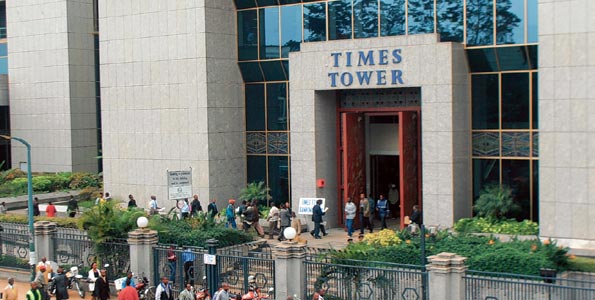
The KRA data recovery site at Konza Technopolis is a Sh2bn public investment approved in Kenya’s supplementary budget for the financial year ending June 2026. The allocation was tabled in the National Assembly by the National Treasury and Economic Planning under Cabinet Secretary John Mbadi.

The project supports infrastructure used by the Kenya Revenue Authority to restore tax data systems during outages or cyber incidents.
A data recovery centre restores corrupted or inaccessible digital records used in tax administration. The site will operate within the technology infrastructure ecosystem of Konza Technopolis.
Kenya is expanding digital tax infrastructure to protect automated revenue systems and sustain higher collection targets.
Why is Kenya funding a KRA data recovery site at Konza Technopolis?
Kenya is funding the KRA data recovery site to protect automated tax systems from operational disruption. The Sh2bn allocation finances backup infrastructure capable of restoring data lost through outages, corruption, deletion, or cyber incidents. The project strengthens system continuity for the national tax platform operated by the Kenya Revenue Authority.
The allocation appears in the first supplementary budget for the financial year ending June 2026. The National Treasury presented the document to the National Assembly. The Sh2bn funding covers acquisition of a data recovery site and upgrades to an ICT centre at Konza Technopolis.

The Kenya Revenue Authority operates multiple digital tax platforms that process filing, compliance monitoring, and payment transactions. These systems handle national revenue collection across Kenya.
Digital tax administration creates a concentration risk. When revenue systems depend on centralized platforms, a failure can halt filing, payment processing, and enforcement functions simultaneously.
The recovery site addresses that operational exposure. The investment reflects institutional pressure on the Kenya Revenue Authority to maintain uninterrupted collection capacity.
The data recovery facility will become part of the permanent architecture supporting Kenya’s automated tax administration. The Kenya Revenue Authority will rely on redundant infrastructure as digital tax enforcement expands.
How does the supplementary budget increase spending for KRA operations?
The supplementary budget expands development funding tied to Kenya Revenue Authority infrastructure and operational capacity. Treasury increased the development allocation within the National Treasury vote by Sh4.871bn. The funding covers infrastructure expansion, operational support, and a motor vehicle leasing shortfall linked to tax administration.
The development budget falls under the National Treasury’s General Administration, Planning and Support Service vote. That vote contains development allocations connected to the Kenya Revenue Authority.
The supplementary budget raises total national expenditure by Sh287.4bn. The increase represents an 11.3% rise above the original budget approved for the financial year ending June 2026.
The spending increase reflects fiscal pressure. Kenya’s government has limited room to introduce new tax measures, which places emphasis on improving compliance and enforcement within existing tax structures.
Treasury therefore directs funding toward operational capacity that supports collection efficiency.
Budget reallocations toward tax infrastructure will continue as long as fiscal consolidation depends on higher compliance rather than new tax legislation.
Why is Konza Technopolis used for government data infrastructure?
Konza Technopolis hosts national technology infrastructure because the site was designated as Kenya’s primary digital innovation zone. Government agencies deploy large-scale ICT infrastructure at the location to support national data platforms, research institutions, and public sector digital services.
Konza Technopolis sits in Machakos County and is administered by the Konza Technopolis Development Authority. The project forms part of Kenya’s Vision 2030 economic development plan.
Government agencies have placed data centres and ICT facilities within the technopolis to support national digital systems and research institutions.
Centralizing infrastructure in Konza Technopolis concentrates high-capacity computing facilities within a dedicated technology zone rather than dispersing them across multiple ministries.
This approach allows shared infrastructure investment across government institutions.
Additional national data infrastructure will likely be deployed within Konza Technopolis as public digital systems expand across taxation, public records, and regulatory platforms.
Why is KRA expanding physical infrastructure and staffing?
To meet a revenue target exceeding KSh 3 trillion, the Kenya Revenue Authority (KRA) is executing a five-year strategic expansion that involves nearly doubling its workforce from approximately 8,500 to over 14,500 personnel. This surge is being supported by a multi-billion shilling infrastructure rollout, including a new Data Recovery Centre at Konza, specialized customs laboratories, and the expansion of the Kenya School of Revenue Administration (KESRA) to facilitate a transition toward a data-driven, customer-centric tax model.
The Kenya Revenue Authority board approved a property development strategy addressing staff growth and operational expansion. Planned infrastructure includes data centres, warehouses, housing facilities, and staff offices.
The expansion responds to broader enforcement responsibilities within Kenya’s tax system.
Higher staffing levels reflect intensified tax administration. Governments facing revenue constraints often expand compliance enforcement rather than altering tax rates.
Infrastructure development therefore follows the operational expansion of the tax authority.
The Kenya Revenue Authority will require additional facilities and digital infrastructure as recruitment and enforcement programs continue.
What role do digital systems play in Kenya’s tax collection strategy?
Digital tax systems now form the operational backbone of Kenya’s revenue administration. Automation supports filing, payment processing, compliance tracking, and audit workflows. System reliability directly affects government cash flow because tax transactions occur primarily through digital platforms managed by the Kenya Revenue Authority.
Kenya has expanded electronic tax platforms over the past decade. These systems handle taxpayer registration, filing, payment settlement, and compliance monitoring.
Revenue performance therefore depends on uninterrupted access to these platforms.
When national revenue relies on centralized digital systems, infrastructure resilience becomes a fiscal requirement rather than an IT upgrade.
Government investment in data recovery capacity reflects the financial risk attached to system failure.
Future tax administration reforms will continue to integrate automation with infrastructure redundancy to protect revenue collection systems.
Key Facts
What is the KRA data recovery site at Konza Technopolis?
The KRA data recovery site at Konza Technopolis is a backup digital infrastructure facility funded with Sh2bn in Kenya’s 2026 supplementary budget. The site will restore tax administration systems operated by the Kenya Revenue Authority when data loss, cyber incidents, or technical failures affect primary systems.
Why did Kenya allocate Sh2bn for the project?
Kenya allocated Sh2bn to ensure uninterrupted operation of automated tax systems. The Kenya Revenue Authority processes national tax filing and payment through digital platforms. A recovery centre allows restoration of corrupted or inaccessible data, protecting revenue collection continuity during outages or cyber incidents.
Where is Konza Technopolis located?
Konza Technopolis is located in Machakos County in Kenya. The technology city operates under the Konza Technopolis Development Authority and serves as a national hub for digital infrastructure, research facilities, and technology institutions within Kenya’s Vision 2030 development strategy.
How much did the supplementary budget increase government spending?
Kenya’s supplementary budget increased total government spending by Sh287.4bn for the financial year ending June 2026. The increase represents an 11.3% rise compared with the original budget approved earlier in the fiscal year.
Why is KRA increasing staffing levels?
Following the successful implementation of its 9th Corporate Plan, the Kenya Revenue Authority (KRA) has expanded its workforce from 8,523 in 2024 to over 14,500 personnel as of early 2026. This capacity surge has fully operationalized the ‘Tax 3.0’ service model, enabling the Authority to surpass its KSh 2.9 trillion revenue targets through real-time eTIMS monitoring, a specialised Micro and Small Taxpayer (MST) division, and decentralized administrative hubs across the country.
Go to TECHTRENDSKE.co.ke for more tech and business news from the African continent and across the world.
Follow us on WhatsApp, Telegram, Twitter, and Facebook, or subscribe to our weekly newsletter to ensure you don’t miss out on any future updates. Send tips to editorial@techtrendsmedia.co.ke


