
Google Expands AI Search to 13 African Languages, Including Kiswahili and Somali

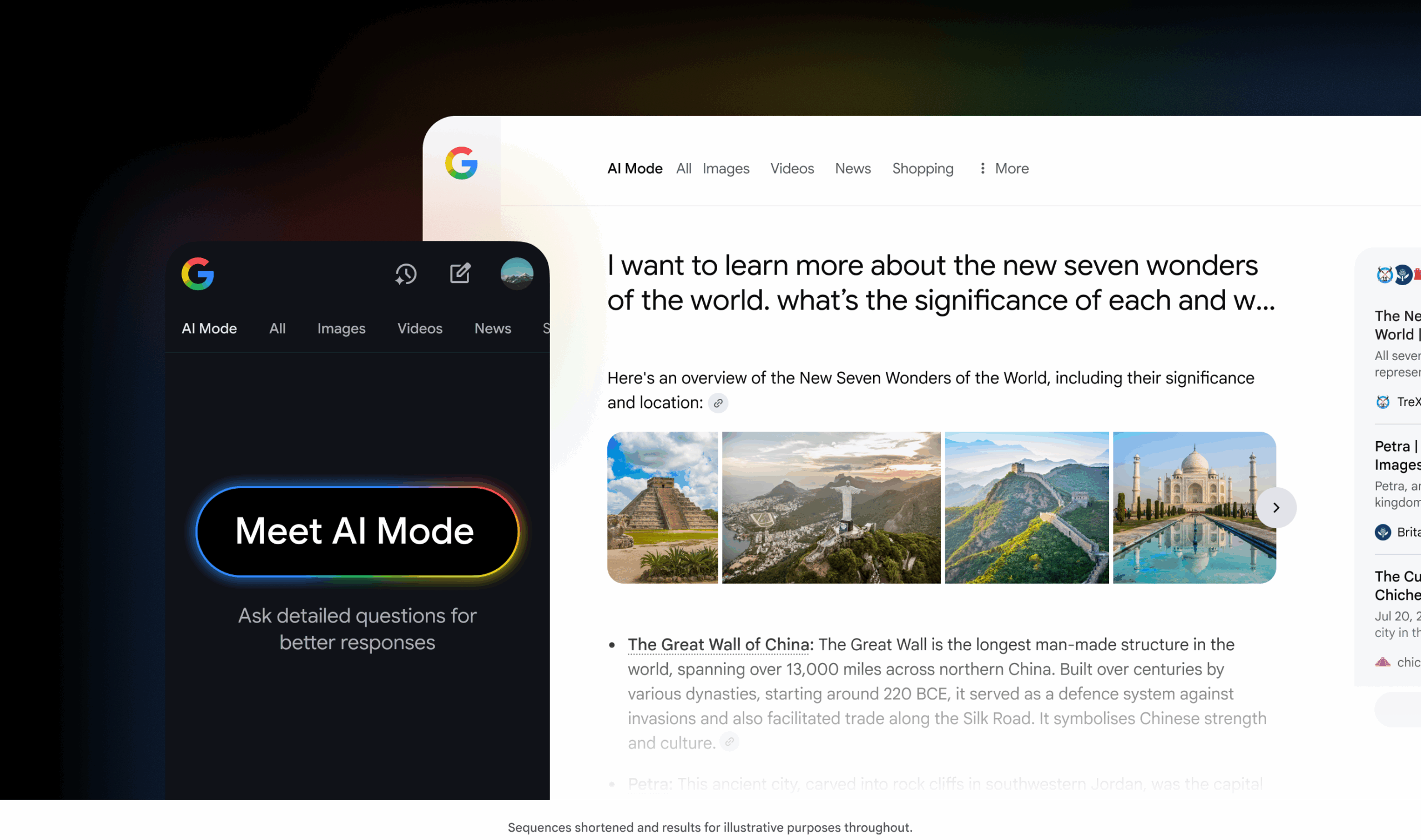
Google has expanded its AI-powered search features to support 13 African languages, marking a significant step toward making artificial intelligence tools more accessible to users across the continent.

The update introduces support for languages including Kiswahili and Somali, allowing millions of people across Africa, and particularly in Kenya, to search, learn, and interact with AI in their native or widely spoken local languages.
The expansion applies to Google’s AI Overviews and AI Mode features within Search.
AI Overviews provide users with concise, AI-generated summaries at the top of search results, helping them quickly understand complex topics while also offering links to trusted sources for deeper exploration.


AI Mode builds on this by enabling a more conversational experience. Users can ask questions using text, voice, or even images and receive detailed responses generated by AI, tailored to their preferred language.
According to Google, the languages included in this rollout were selected based on growing search activity across Africa. The first phase focuses on languages widely used in countries such as Kenya, Nigeria, Ethiopia, and Tanzania.
For many users, this means AI tools will become more practical for everyday tasks, from education and research to entrepreneurship and content creation.
Students and teachers, for example, can now ask complex questions and receive explanations in Kiswahili. Entrepreneurs can explore market information and business insights using familiar languages rather than relying solely on English.
The update builds on Google’s broader efforts to develop responsible AI technologies that reflect the linguistic diversity of the continent.
One of the initiatives supporting this work is the Waxal language project, which combines machine learning research, linguistic expertise, and collaboration with local communities to improve how AI systems understand and generate African languages.
The name “Waxal,” which means “to speak” in the Wolof language, reflects the project’s goal of making digital communication more inclusive and representative of local cultures and languages.
By improving AI’s ability to process African languages, Google hopes to enable more people to move beyond simply hearing about artificial intelligence and begin using it to solve real-world challenges in their communities.
Users in Kenya can access the feature through the Google app on Android or iOS devices, or through a mobile browser.
After opening the app, users can tap on AI Mode within the search interface and type or speak a question in their preferred language, such as Kiswahili or Somali.
Google says it is encouraging users across Africa to try the new features and share feedback to help improve how AI tools understand and respond in local languages.
The newly supported languages include Kiswahili, Somali, Afrikaans, Akan, Amharic, Hausa, Kinyarwanda, Afaan Oromoo, Sesotho, Setswana, Wolof, Yorùbá, and isiZulu.
The rollout represents part of Google’s long-term strategy to build AI systems that are both technologically advanced and culturally relevant for users around the world.
Go to TECHTRENDSKE.co.ke for more tech and business news from the African continent and across the world.
Follow us on WhatsApp, Telegram, Twitter, and Facebook, or subscribe to our weekly newsletter to ensure you don’t miss out on any future updates. Send tips to editorial@techtrendsmedia.co.ke


