
Beneath the Canopy at JKIA, a State-Backed Taxi App Is Poised to Reorder How Rides Are Booked and Paid
At the airport where 8.9 million passengers pass each year, the real contest may no longer be in the skies but in the first ride home

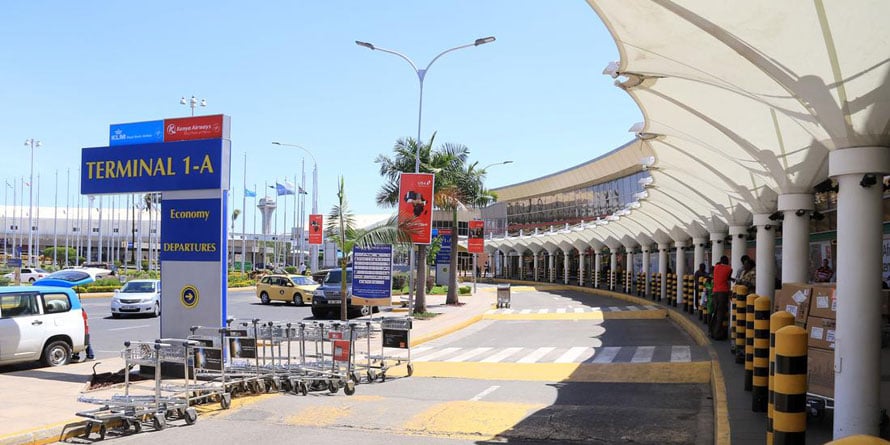
At Jomo Kenyatta International Airport, the first negotiation often happens before a suitcase hits the pavement. A driver leans in. A price is floated. A visitor hesitates. For years, that choreography has played out between yellow cabs and global apps alike. Now the airport landlord wants in.

The Kenya Airports Authority is preparing to roll out a JKIA taxi app under a public-private partnership, inserting itself directly into a market long dominated by Uber and Bolt. Tender documents outline a platform that would dispatch only airport-authorised taxis, collect passenger fares digitally and remit an agreed monthly percentage to KAA. The authority wants the system built and live within 3 months of contract signing.
This is not just a technology procurement. It is an attempt by a State corporation to reposition itself inside the commercial bloodstream of the country’s busiest airport.
8.9 Million Passengers and a Revenue Question
JKIA handled 6.8 million international passengers and 2.1 million domestic travellers in 2024. Those numbers carry weight inside KAA’s books. The authority depends heavily on passenger service charges and aircraft landing fees to fund upgrades and day-to-day operations. When traffic dips, revenue tightens. When traffic rises, pressure on infrastructure follows.

Ground transport has sat adjacent to that revenue base rather than within it. Ride-hailing platforms extract value from airport traffic, paying access fees where required but largely keeping fare economics internal. Traditional airport taxis operate through licensing arrangements, yet their earnings have not flowed into a structured digital system controlled by the airport itself.
The proposed JKIA taxi app changes that. The selected vendor would collect fares through the system and share a percentage with KAA each month. In effect, the authority would be taking a direct slice of trip-level transactions linked to passenger throughput. It is a subtle but important recalibration of how an airport monetises movement beyond the terminal.

A Dispatch Engine With Regulatory Teeth
On paper, the platform resembles familiar ride-hailing architecture. Passengers book through Android or iOS apps, a web portal or on-site kiosks. They see real-time fare estimates, track vehicles, receive trip notifications. A dispatch engine allocates drivers and manages queues across terminals.
Yet the more consequential feature sits beneath the interface. The system would create geofenced taxi ranks using GPS technology to restrict where vehicles can wait, pick up or exit. It would enforce waiting rules, enable surge pricing and automate functionality when taxis cross designated zones. Only vetted, airport-authorised drivers would operate within the digital perimeter.
That structure gives KAA a compliance lever it has not fully exercised before. Airport land is controlled space. By embedding geofencing into fare collection and driver eligibility, the authority could tighten control over who earns from passenger flows. The app must also generate trip-level data, fare records, driver reports and daily revenue summaries for KAA and the National Transport and Safety Authority.
In short, dispatch becomes regulation by code.
Uber and Bolt Meet a Landlord With Data
Uber and Bolt have built their airport presence on scale and user familiarity. A traveller lands in Nairobi and opens an app they already use in London, Lagos or Johannesburg. Pricing may fluctuate, but the experience feels consistent.
KAA’s proposal confronts that comfort with a local alternative carrying institutional backing. The pitch centres on safety, pricing transparency and accountability. But beneath that language lies a deeper contest over data and platform power.
If passengers book through the JKIA taxi app, KAA gains direct visibility into trip volumes, fare averages and peak demand windows. That data can inform everything from rank allocation to commercial leasing decisions inside the terminal. Sponsored tenant listings, digital advertising and data monetisation are already part of the revenue blueprint.
Uber and Bolt would remain operational, but they would now compete not only with yellow cabs, but with the airport authority itself. The landlord is becoming a platform operator.
The Yellow Cab Bet
The app targets drivers operating yellow airport taxis. For years, these cabs have relied on rank systems and negotiated fares. Ride-hailing disrupted that equilibrium, introducing algorithmic pricing and user reviews that reshaped passenger expectations.
By folding yellow cabs into a structured digital system, KAA is offering them institutional reinforcement. Access to a captive passenger base, integrated dispatch, and potentially standardised pricing. Yet that support comes with oversight. Geofenced ranks and automated compliance reduce the autonomy drivers once exercised.
Drivers will weigh the trade-off. Greater demand visibility and platform integration on one side. Revenue sharing, stricter controls and data traceability on the other. In an environment where airport access is valuable real estate, opting out may not be straightforward.
Beyond Taxis: An Airport Super App in the Making
The tender documents describe the JKIA taxi app as modular and extensible. Taxi booking is the starting point. The architecture anticipates lounge reservations, parking bookings, duty-free purchases and other commercial services layered on top.
Integration with KAA’s flight information system is part of the design. Terminal maps, indoor navigation readiness, gate alerts and service directories would sit inside the same digital container. The airport becomes not only a physical transit point but a controlled digital ecosystem.
This follows a broader pattern across major airports globally, where authorities seek to extend passenger engagement beyond security checks and boarding calls. Heathrow and Gatwick have supported digital cab and transfer services, including platforms like TappAXI in the UK. JKIA’s version is more tightly tied to revenue capture and regulatory oversight.
The ambition is clear. If passengers can book transport, shop, reserve parking and receive gate updates within one branded app, the airport consolidates attention and transactional flow. The phone becomes an extension of terminal infrastructure.
Public-Private Partnership or Platform Statecraft
The model is structured as a public-private partnership. A technology firm designs, develops and operates the system. In return, it collects fares and remits an agreed percentage monthly to KAA. The authority avoids heavy upfront technology investment while securing recurring revenue.
That arrangement reduces fiscal risk for KAA, but it also introduces governance questions. Who owns the data generated by millions of trips? How are fare structures calibrated against market rates offered by Uber and Bolt? What happens if passenger uptake falls short of projections?
Deploying within 3 months of contract signing leaves limited runway for iterative testing. Airports are unforgiving environments. Any glitch in dispatch logic or payment processing will surface immediately at curbside, where impatience travels faster than code updates.
There is also the political economy to consider. A State corporation entering direct competition with private platforms complicates the regulatory landscape. If disputes arise over access, pricing or enforcement, KAA would occupy dual roles as operator and regulator within its jurisdiction.
A Crowded Curb and an Unfinished Debate
Airport transport has always been contested ground. Matatus, licensed taxis, ride-hailing drivers and informal operators have all fought for proximity to arriving passengers. What changes now is the digital mediation of that contest.
By inserting a JKIA taxi app into the mix, KAA is asserting that ground transport is not merely an ancillary service but a core commercial frontier. With 8.9 million passengers moving through JKIA in 2024, even modest per-trip commissions accumulate quickly.
The unanswered question is behavioural. Will travellers download and trust an airport-branded app when they already have global ride-hailing tools on their phones? Habit is powerful. So is familiarity. Yet airports exert subtle pressure. Signage, staff guidance and rank design influence choice.
If KAA integrates the app into on-site kiosks and terminal messaging, it can steer demand. Not through prohibition, but through friction and convenience.
The curb outside JKIA has long been a marketplace of voices and offers. Soon it may become a managed digital corridor, where entry, pricing and pickup are shaped less by negotiation and more by code written under a State contract. The taxi ride from the airport, once a small drama of bargaining and trust, is being folded into a larger institutional ledger.
Go to TECHTRENDSKE.co.ke for more tech and business news from the African continent and across the world.
Follow us on WhatsApp, Telegram, Twitter, and Facebook, or subscribe to our weekly newsletter to ensure you don’t miss out on any future updates. Send tips to editorial@techtrendsmedia.co.ke


