
Kenya’s electric vehicle moment has arrived, but the country is still hunting for a place to plug in
What looked like a clean transition is turning into a test of patience, capital, and who gets left waiting


On a weekday morning along Nairobi’s Outer Ring Road, electric buses sit longer than their diesel predecessors once did. They are clean, quiet, and mostly idle between runs. Drivers wait. Technicians check screens. Power cables lie coiled on concrete that was poured for a different era of transport, one that assumed refuelling would take minutes rather than hours.
Electric vehicles in Kenya have moved beyond the proof stage. They are visible now, in traffic and in depots, no longer curiosities. What is less visible is how much of their day is governed by charging windows, grid stability, and the slow work of infrastructure approvals that sit far from the road itself.
The buses still move passengers. They just do so on tighter operational margins.
Counting the Plugs
Public numbers tell an uneven story. Industry groups point to dozens of charging stations for four wheel vehicles and hundreds of battery swap points, most clustered in Nairobi and a few satellite towns. Regulators publish lower counts, updated less frequently, with wider definitions and more conservative totals. Both sets of figures trail what operators say they need on the ground.

A charger is not just a plug. It is land, grid capacity, permits, transformers, and a willingness to absorb upfront cost without clear utilisation curves. Malls can host them. Private depots can fence them off. Busy commuter corridors remain harder to serve.
The mismatch shows up in planning meetings more than in policy papers.

The Lease Arrangements
Several early movers solved the problem by keeping it in house. Bus assemblers bundled vehicles, charging, and maintenance into single lease contracts. Operators paid per kilometre. Assemblers retained control of batteries, software, and charging schedules.
It simplified adoption for matatu owners who were already stretched thin by fuel costs and repairs. It also tied fleet growth directly to how fast an assembler could build or finance new charging capacity.
One sacco reserved dozens of electric buses, expecting them to arrive in steady batches. Fewer than half showed up on the road within the first year. The delay was not mechanical. Chargers came online slower than buses rolled off the assembly line.
The battery is the constraint. Everything else follows.
A Paragraph That Lingers
Charging yards tell a quieter story than launch events. Extension cables run across gravel. Security guards track which vehicle plugs in first when power dips in the afternoon. Software dashboards show state of charge percentages that dictate whether a bus runs an extra trip or pulls out early. Drivers learn to feel range anxiety without ever owning the vehicle. Mechanics spend more time coordinating schedules than turning spanners. Utility engineers visit sites, take notes, promise upgrades, and leave timelines vague because their own inputs depend on approvals from elsewhere. Everyone understands the logic. Fewer agree on the sequence. The work stretches on, repetitive and procedural, without a clear point where it turns into something else.
Smaller Operators, Tighter Loops
For commuter services running between Nairobi and its outskirts, the limits are sharper. A bus that manages four trips a day before recharging forces timetable compromises. Missed runs push passengers back to diesel vans that still refuel anywhere in minutes.
Reliability becomes the currency. Not emissions. Not innovation.
A short sentence lands here.
The next sentence has to do more work. It brings in passengers standing at roadside stages, checking watches, choosing whatever arrives first, and transport managers juggling WhatsApp messages about battery levels while trying to keep promises made to regular riders.
Private Cars, Same Frictions
Private electric cars face parallel constraints, though with different consequences. Most chargers sit behind gates, inside malls, office parks, or residential developments that assume drivers have time and flexibility. Long distance travel tests the network quickly. Cross border trips make for good demonstrations and thin margins.
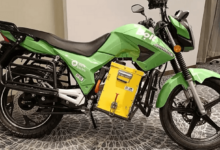
Electric motorcycles and bicycles dominate registration counts, partly because they sidestep some of these constraints. Batteries can be swapped. Loads are lighter. Expectations are lower. Passenger cars, buses, and minibuses demand more stable systems.
The numbers look impressive until they are broken down by class.
Policy Waiting Rooms
Kenya offers tax incentives for electric vehicle assembly and importation. Excise duties are lower. Import levies are waived. The vehicles arrive cheaper than they otherwise would. Charging equipment does not enjoy the same attention. Grid upgrades and land acquisition remain largely unsupported.
A national e mobility policy sits in draft form. Investors reference it often. No one can quote its final shape.
Banks treat charging stations as long term assets with uncertain usage. Utilisation depends on vehicle uptake. Vehicle uptake depends on chargers. The loop remains exposed.
No one in this chain appears reckless. No one appears fully willing to move first.
Standards and Silos
Technical standards add another layer of friction. Chargers vary by platform. Interoperability is limited. Operators cannot easily switch providers if a site goes offline or terms change. Assemblers build private networks tailored to their own fleets.
Fragmentation spreads quietly. High income urban zones accumulate options. Informal stages and high frequency routes wait.
Urban planners did not design matatu termini for dwell time. Concrete tells its own history.
A Section That Refuses to Conclude
There is demand. There is capital, though it moves cautiously. There is technical capacity, unevenly distributed. Electric vehicles in Kenya keep arriving, one depot at a time, while the charging question lags behind in committee rooms, utility offices, and half finished yards that work well enough to get through the week. No single bottleneck explains the pace. No clean line separates success from stall. The system moves, then pauses, then moves again, accumulating fixes without settling into a stable form, and it is difficult to say whether that instability is temporary or structural, or whether anyone involved truly knows yet.
The Open End
Fuel stations spread because they followed clear rules, predictable demand, and fast turnover. Chargers ask for patience, capital, and coordination across institutions that rarely share clocks.
Who, exactly, is meant to build the charging backbone for public transport corridors when assemblers, utilities, financiers, and planners all depend on one another’s timing?
[Secure Your Seat at Africa Tech Summit Nairobi 2026 | February 11–12 here] Use code TTRENDS10 at checkout to save 10% on your pass and join the leaders building Africa’s $1 trillion cross-border payment future.
Go to TECHTRENDSKE.co.ke for more tech and business news from the African continent and across the world.
Follow us on WhatsApp, Telegram, Twitter, and Facebook, or subscribe to our weekly newsletter to ensure you don’t miss out on any future updates. Send tips to editorial@techtrendsmedia.co.ke
TechTrends Media Podcasts


