
The Fight Over Twitter’s Name Reveals How Hard It Is to Truly Leave a Platform Behind
A startup files paperwork, X updates its terms, and a supposedly abandoned brand suddenly looks contested

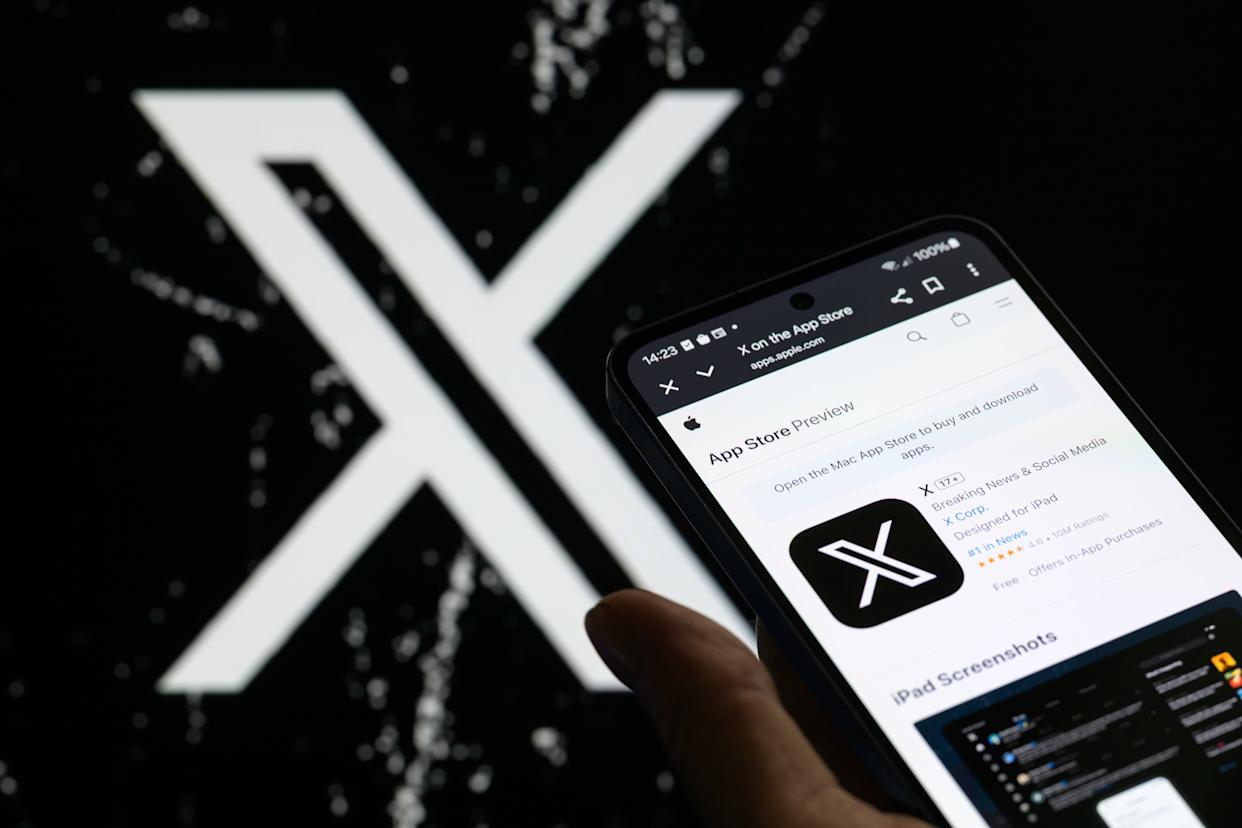
For more than two years, Elon Musk treated the Twitter name as finished business. The platform became X. The bird icon vanished. Internal language and public branding followed suit. The company projected finality.

That certainty no longer holds.
X Corp. has now sued Operation Bluebird, a Virginia startup attempting to revive Twitter as a standalone social platform. The lawsuit marks a sharp escalation, transforming a trademark cancellation petition into a direct legal confrontation over who controls one of the most recognizable names in modern technology.
The central dispute is no longer theoretical. It is now being argued in court.


The Claim That Opened the Door
Operation Bluebird went public earlier this month with a filing at the US Patent and Trademark Office seeking to cancel X Corp.’s ownership of the Twitter and tweet trademarks. The petition argues that X abandoned the marks entirely, removing them from products, services, and marketing with no intent to resume use.
The filing leaned heavily on Musk’s own words from 2023, when he publicly declared that the company would say goodbye to the Twitter brand and its bird imagery. For Operation Bluebird, that statement was not symbolic. It was evidence.

If regulators agree, the startup plans to launch a new social network under the name Twitter.new. A working prototype exists, and more than 145,000 users have already reserved handles.
That traction appears to have changed the stakes.
X’s Answer: Twitter Never Left
In its lawsuit, X Corp. rejects the idea that the rebrand amounted to abandonment. The company argues that Twitter remains actively used and widely recognized, even if it no longer appears as the platform’s primary name.
X points to several factors. Users still commonly refer to posts as tweets. Many websites continue to display the Twitter bird favicon when linking to X. The twitter.com domain continues to redirect traffic to x.com, and according to the company, more than four million users accessed the platform through that domain as recently as December 11.
The lawsuit frames Operation Bluebird’s effort as trademark infringement rather than revival. X accuses the startup of attempting to trade on Twitter’s goodwill by using a similar name, logo style, and color palette in a way that could confuse users and advertisers.
In short, X is no longer arguing that the Twitter name is irrelevant. It is arguing that it never stopped being used.
A Strategic Reversal in Public View
The lawsuit follows other moves that suggest a recalibration. X recently updated its terms of service to reintroduce explicit references to Twitter, language that had previously been removed. The revised terms state that users have no right to use either the X name or the Twitter name without written consent, reaffirming both as exclusive property.
Those changes came after Operation Bluebird’s petition became public.
For Operation Bluebird, this sequence reinforces its position. Stephen Coates, a cofounder of the startup and former Twitter general counsel, has argued that any renewed emphasis on the Twitter name is reactive rather than continuous. From that view, X spent substantial resources establishing a new identity, publicly declared the old one finished, and only returned to it once a challenger appeared.
The Legal Question at the Core
Trademark law rewards use, not memory. Courts examine whether a mark remains active in commerce and whether the owner intends to continue using it. Minimal or symbolic gestures typically do not suffice. Consistency matters.
X’s case rests on the idea that cultural and technical continuity counts as use. Operation Bluebird’s case rests on the idea that deliberate erasure followed by silence constitutes abandonment, regardless of lingering habits among users.
The presence of the twitter.com redirect sits at the center of that tension. On its own, it could be read as a convenience feature. In the context of a lawsuit, it becomes a data point in a broader argument about continuity.
Why Advertisers Are Watching Closely
Beyond the courtroom, the dispute reflects unresolved commercial pressure. Since the transition to X, many advertisers have voiced concerns about content moderation and brand safety. Research published last year found that more than a quarter of surveyed marketers planned to reduce or abandon advertising on the platform.
Alternatives exist, but none fully replicate Twitter’s earlier combination of scale and cultural reach. Threads has grown rapidly under Meta. Bluesky and Mastodon remain active but largely ad-free.
Operation Bluebird is positioning its proposed platform as a reset, one designed to offer predictable moderation and a familiar public square dynamic. Whether that promise can be delivered is uncertain. What is clear is that advertiser unease remains part of the backdrop to this legal fight.
A Brand Too Valuable to Ignore
The lawsuit underscores a contradiction that now sits in plain view. X spent years distancing itself from the Twitter identity, presenting the rebrand as definitive. Yet the moment another entity attempted to operationalize the old name, its value became worth defending.
The case is not about whether people still remember Twitter. It is about whether a company can walk away from a defining brand, build a replacement, and still retain exclusive control once someone else tries to bring the old one back into use.
Operation Bluebird argues that the farewell was real and legally binding. X argues that it was cosmetic and incomplete.
The court will decide which interpretation holds. Whatever the outcome, the dispute has already revealed something harder to ignore. In technology, abandoning a brand is rarely as final as it appears, especially when that brand still carries weight the moment someone else reaches for it.
Go to TECHTRENDSKE.co.ke for more tech and business news from the African continent.
Follow us on WhatsApp, Telegram, Twitter, and Facebook, or subscribe to our weekly newsletter to ensure you don’t miss out on any future updates. Send tips to editorial@techtrendsmedia.co.ke
TechTrends Media Podcasts


