
A New EV Bet Takes Shape as Tad Motors Builds Its First Line in Naivasha
Tad Motors is trying to carve out a foothold in an uneven EV market, piecing together its first models in Naivasha while betting that regional demand, friendlier policies, and a leaner production plan might open a path that bigger brands have not managed to follow.

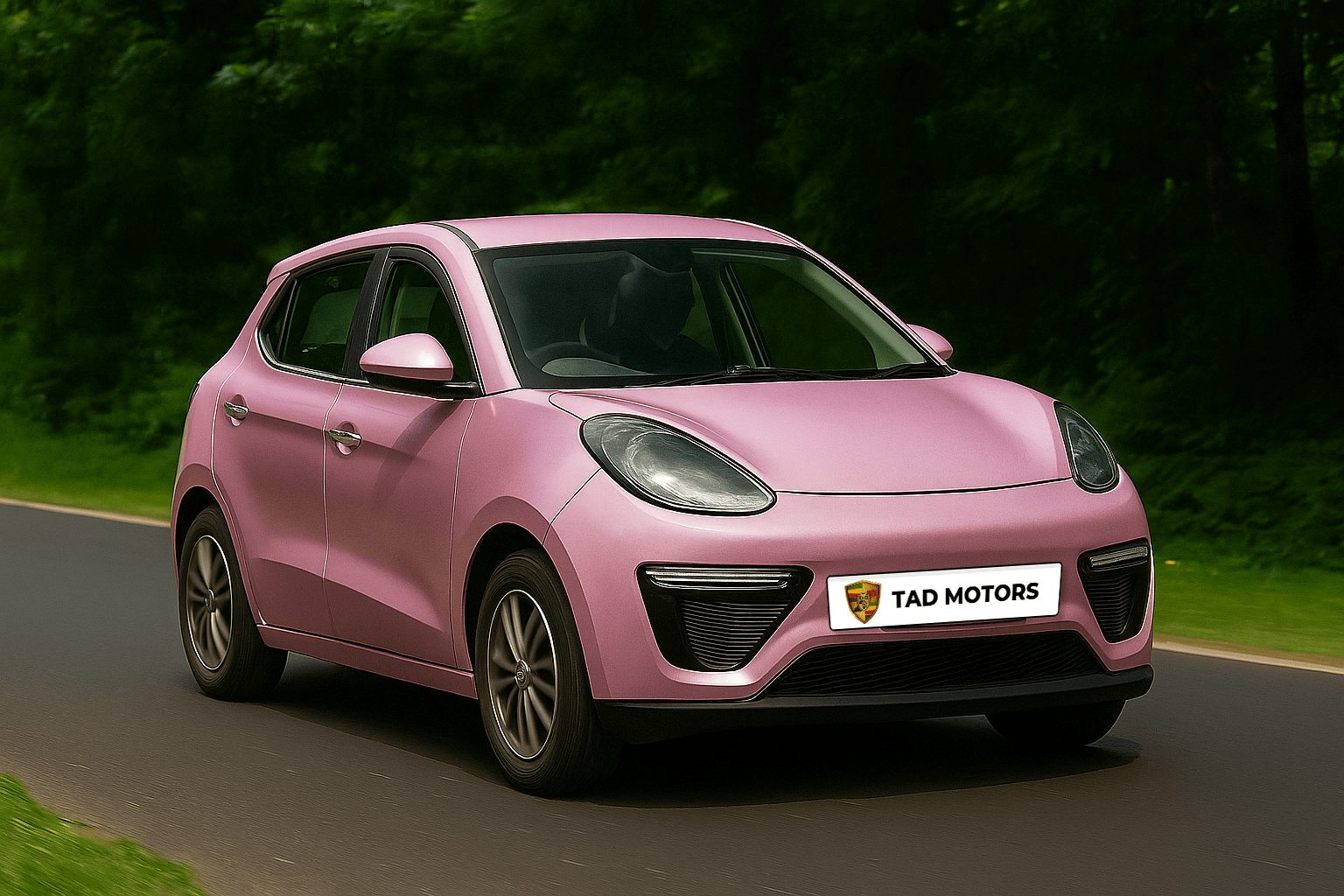
Tad Motors’ first locally assembled units carry a sense of tentative confidence. The company has pulled together more than 30 Chinese component suppliers to build five models in Naivasha, a mix of sedans and SUVs priced to sit below the more established imports. The hardware is basic for now. Range tops out at roughly 250 kilometres and charging relies on standard AC sockets. Yet the simplicity seems intentional, almost an attempt to match the lived reality of Kenya’s early EV buyers rather than chase specifications that would push the price out of reach.

The plant itself sits inside the Naivasha Special Economic Zone, a space that has drawn scattered interest but still feels underused. Tad Motors is betting that the zone offers enough administrative breathing room to experiment with sourcing, assembly, and later full manufacturing. The company wants to push output toward 3,000 units a year. That is an ambitious figure, though not impossible, especially if demand firms up across East Africa. Ethiopia appears particularly promising since its import rules tilt the market toward electric models, giving Tad Motors a nearby destination for volume once it scales.
A Market Growing in Uneven Ways
Kenya’s electric two-wheeler scene has grown faster than private EV ownership, helped by fleet customers and predictable use cases. Four-wheeled models remain a tougher sell, not because interest is absent but because the economics still feel narrow. Charging networks are thin. Customers worry about resale value. And despite tax cuts on EVs and reduced fees on completely knocked down parts, the upfront cost can still pinch.
Even so, new-car sales have been rising. The Kenya Motor Industry Association recorded nearly 10,000 units in the first nine months of 2025, a noticeable increase tied partly to better lending rates and a calmer currency. Most of these vehicles were commercial units, yet the trend hints at a broader confidence that might spill into personal cars, including EVs. Tad Motors is entering at a moment when buyers appear more willing to explore options outside the long-established brands.

The Assembly Gambit and Its Constraints
Tad Motors’ plan to source up to 80 percent of components locally by September next year is the sort of target that can reveal how ready Kenya’s supplier base is for a new automotive chapter. Tooling, fabrication, and parts certification take time. The company’s previous experience in Ethiopia offers institutional memory, though replicating that model in Naivasha will depend on reliable power, skilled labour, and consistent demand. If the firm clears these hurdles, the local supply chain could tighten quickly, creating a cluster rather than a single plant standing alone.
Charging infrastructure presents another question. Tad Motors does not intend to build any. Instead, it assumes that domestic sockets and modest overnight charging will suffice for the first wave of customers. That approach works for short commutes. It creates friction, however, when drivers need versatility, especially outside urban centres. Kenya’s energy planners have spoken for years about integrating transport needs into the national grid’s future capacity, though progress has been piecemeal. If policy attention eventually moves toward structured public charging, companies like Tad Motors will benefit without footing the bill.

The Regional Angle That Could Redraw Market Dynamics
East Africa’s transport policy environment is fragmented. Some countries push hard toward cleaner mobility while others focus on protecting local assemblers or managing fuel imports. Tad Motors seems comfortable navigating this patchwork. Its expectation of strong demand in Ethiopia makes sense. A market of over 140 million people with regulations that favour EVs offers a practical outlet for scale. If Kenya emerges as the production base for that supply, even partially, Naivasha could become a rare manufacturing foothold in a sector long dominated by imports.
The broader tension lies in timing. Jump too early, and the company risks sinking capital into a customer base that grows slower than expected. Move too late, and incumbents or better-resourced partners could lock in the market. Tad Motors is operating in the middle ground. It has enough capital to assemble and test the waters, yet not so much that its decisions carry a heavy burden of expectation.
Where the Next Moves Might Come From
Several outcomes seem plausible. If vehicle financing continues easing and more employers adopt EVs for staff transport, private uptake could widen. If local component production matures, pricing could fall further, allowing Tad Motors to reach buyers who currently treat EVs as a luxury. And if regional trade corridors grow more predictable, Kenya’s assembly plants could finally move beyond project-by-project momentum and become consistent exporters.
Tad Motors is entering a market that is still settling into its own direction. The company’s wager is that affordability, accessible charging, and steady capacity building will align at the right moment. Whether that holds depends on how fast Kenya’s electric vehicle sector adapts to the next wave of buyers and the policy calls that shape their decisions.
Go to TECHTRENDSKE.co.ke for more tech and business news from the African continent.
Follow us on WhatsApp, Telegram, Twitter, and Facebook, or subscribe to our weekly newsletter to ensure you don’t miss out on any future updates. Send tips to editorial@techtrendsmedia.co.ke


