Oracle, Silver Lake and Abu Dhabi’s MGX Take Control of TikTok USA With 45% Stake as ByteDance Retreats to Minority Position
A deal designed to keep TikTok alive in America has handed power to Oracle, Silver Lake and MGX, but beneath the boardroom shuffle linger deeper questions about politics, influence and who really controls the algorithm.

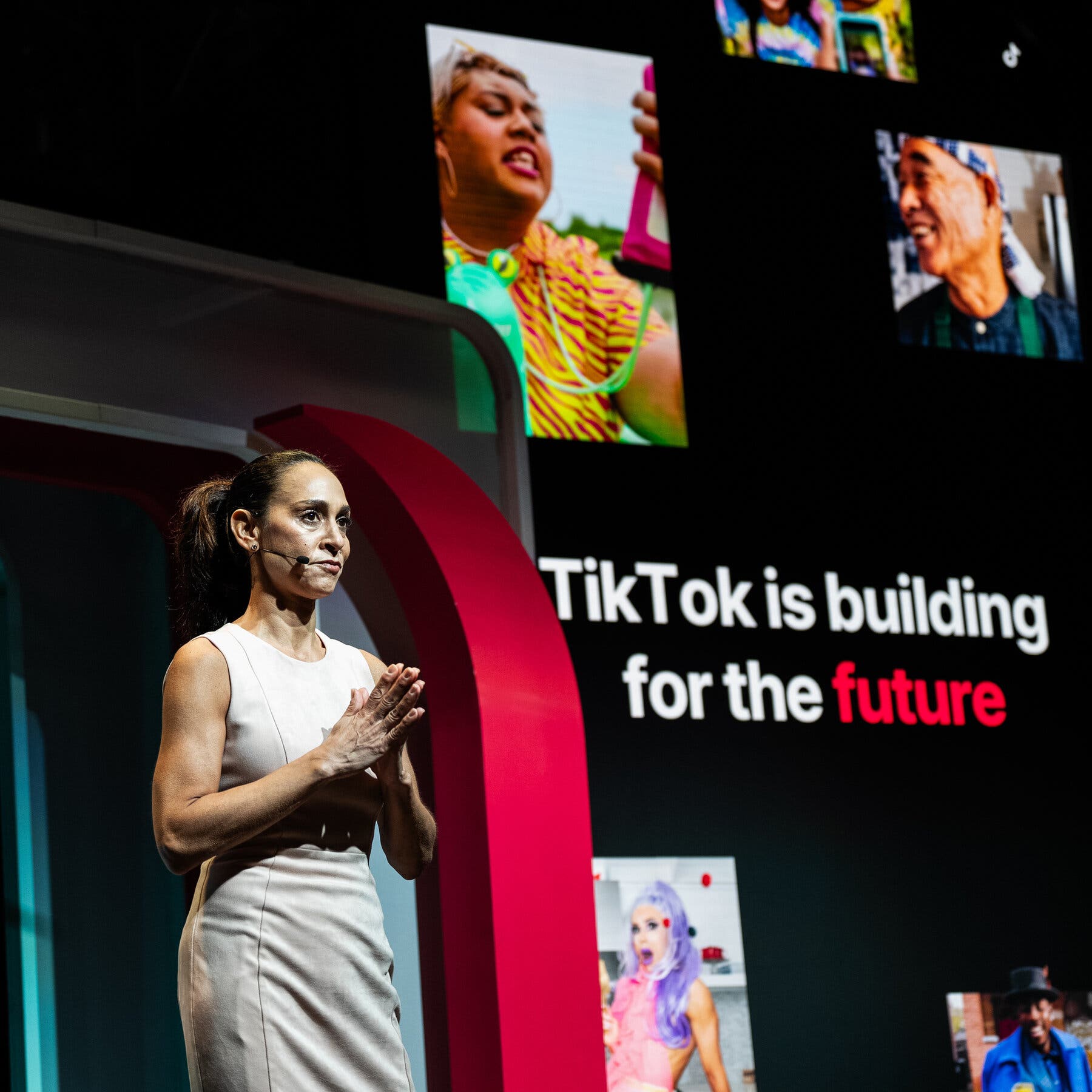
TikTok’s American future has never been entirely in its own hands. After years of mounting suspicion in Washington, the video app is being remade through an ownership shuffle designed to satisfy lawmakers while keeping the service alive for its 170 million U.S. users. The headline numbers are stark: Oracle, Silver Lake, and Abu Dhabi’s MGX will hold about 45% of TikTok USA. ByteDance itself will shrink to 19.9%, and the rest—35%—will sit with ByteDance’s existing investors and fresh capital.
This is less a marriage of equals than a forced arrangement. ByteDance has been told, in no uncertain terms, that it cannot continue in America without ceding real control. The U.S. government, meanwhile, has made clear that banning TikTok outright would be a political gamble. A carve-out deal, however awkward, has become the compromise.
Who Really Wins in This Structure?
At first glance, Oracle seems to have secured a plum position. Beyond equity, it will oversee TikTok’s U.S. data operations—an assignment that places it at the center of the very security concerns that triggered the sale. Silver Lake, long tied to big tech infrastructure bets, gets a foothold in one of the most culturally powerful apps in the world. MGX, Abu Dhabi’s relatively new heavyweight fund, buys exposure to U.S. consumer tech at a moment when Gulf capital is increasingly shaping Western deals.
ByteDance, though diminished, doesn’t walk away empty-handed. By holding just under 20% and watching its investor base preserve another third, it retains a meaningful financial upside. What it loses is the ability to steer TikTok’s American strategy. The new board will be stacked with U.S. directors, with Washington insisting on operational separation.

The Algorithm Question No One Has Answered
Ownership is only one piece of the puzzle. The true lever of influence is TikTok’s algorithm, the black box that dictates what content goes viral. Lawmakers have long fretted that Beijing could manipulate it for propaganda or subtle influence campaigns.
Yet in the fine print of this deal, the algorithm remains a gray area. Oracle’s oversight of security doesn’t necessarily mean it will tinker with recommendation mechanics. For now, the assumption appears to be that corporate governance and American-majority ownership will be enough. But will that hold if geopolitical tensions flare again? The unanswered question is whether any board structure, however U.S.-heavy, can truly ringfence software that was born in Beijing.
Trump’s Fingerprints All Over the Negotiation
This transaction cannot be separated from Donald Trump’s politics. He delayed the divestiture deadline, then pushed for a solution that could claim victory without forcing a ban. He has also tied the app’s survival to his own political fortunes, reminding supporters that TikTok played a role in mobilizing younger voters during his reelection campaign.
There are also the billionaire connections. Jeff Yass, a major Republican donor and ByteDance investor through Susquehanna, stands to benefit from a structure that protects his stake. Trump himself has mused about Rupert Murdoch, Larry Ellison, and Michael Dell joining the fold—a reminder that U.S. power circles see TikTok not just as a cultural phenomenon, but as a trophy asset.
The Geopolitical Undercurrent
What makes this more than a corporate deal is the international backdrop. U.S. lawmakers remain uneasy about Chinese companies having influence in strategic consumer sectors. China, for its part, has resisted allowing the algorithm itself to be sold abroad, framing it as a matter of national pride and security. The resulting patchwork solution—split ownership, new boards, Oracle as gatekeeper—reflects a world where capital and technology are global, but trust is not.
The inclusion of MGX underscores this reality. Gulf investors are increasingly stepping in as swing players, investing in both American and Chinese tech firms. That raises its own questions: if Washington’s main concern is foreign control, why does Abu Dhabi get a seat at the table while Beijing is pushed out?
What Users Will Actually Notice
For TikTok creators and viewers, the changes may feel invisible. Videos will still autoplay, trends will still rise from obscurity, and the app will continue to serve as a cultural engine. Analysts say the deal was designed precisely so that users would not perceive disruption.
But over time, subtle shifts may emerge. Content moderation rules could tighten under U.S.-appointed directors. Partnerships and advertising arrangements may be recalibrated to suit Oracle’s enterprise ecosystem. And if Washington presses harder on algorithm transparency, TikTok’s unique flavor could gradually bend to American sensibilities.
The Unfinished Business
Even with signatures and board reshuffles, unresolved tensions remain. What if China retaliates against ByteDance for conceding too much? Will the U.S. push for more direct control over the algorithm in the next election cycle? Can Oracle, a database titan but not a consumer platform company, manage the delicate task of safeguarding TikTok without smothering it?
The likely scenario is a period of uneasy calm: TikTok continues, investors profit, Trump claims a win, and Washington shelves its ban threat. But the structural contradictions—foreign capital allowed here but not there, an algorithm left opaque, political interests laced through financial ones—ensure that this story is far from closed.
A Deal That Solves Today, Not Tomorrow
The TikTok USA deal is a study in compromise. It keeps the app alive, gives Washington a measure of comfort, and enriches a cast of powerful investors. Yet it doesn’t fully resolve the core dilemma: what happens when a platform born in one country becomes too influential in another?
Oracle, Silver Lake, and MGX may now sit at the table, but the larger contest—over who ultimately controls global digital culture—remains unsettled. For now, America has postponed the question. The real reckoning will come when the next geopolitical crisis tests whether this patched-together governance can hold.
Go to TECHTRENDSKE.co.ke for more tech and business news from the African continent.
Mark your calendars! The GreenShift Sustainability Forum is back in Nairobi this November. Join innovators, policymakers & sustainability leaders for a breakfast forum as we explore sustainable solutions shaping the continent’s future. Limited slots – Register now – here. Email info@techtrendsmedia.co.ke for partnership requests.
Follow us on WhatsApp, Telegram, Twitter, and Facebook, or subscribe to our weekly newsletter to ensure you don’t miss out on any future updates. Send tips to editorial@techtrendsmedia.co.ke
TechTrends Media Podcasts


