
How Safaricom Home Fibre Is Transforming E-Learning for Students in Kenya
How Safaricom Home Fibre is helping students and teachers stay connected in Kenya’s evolving classrooms

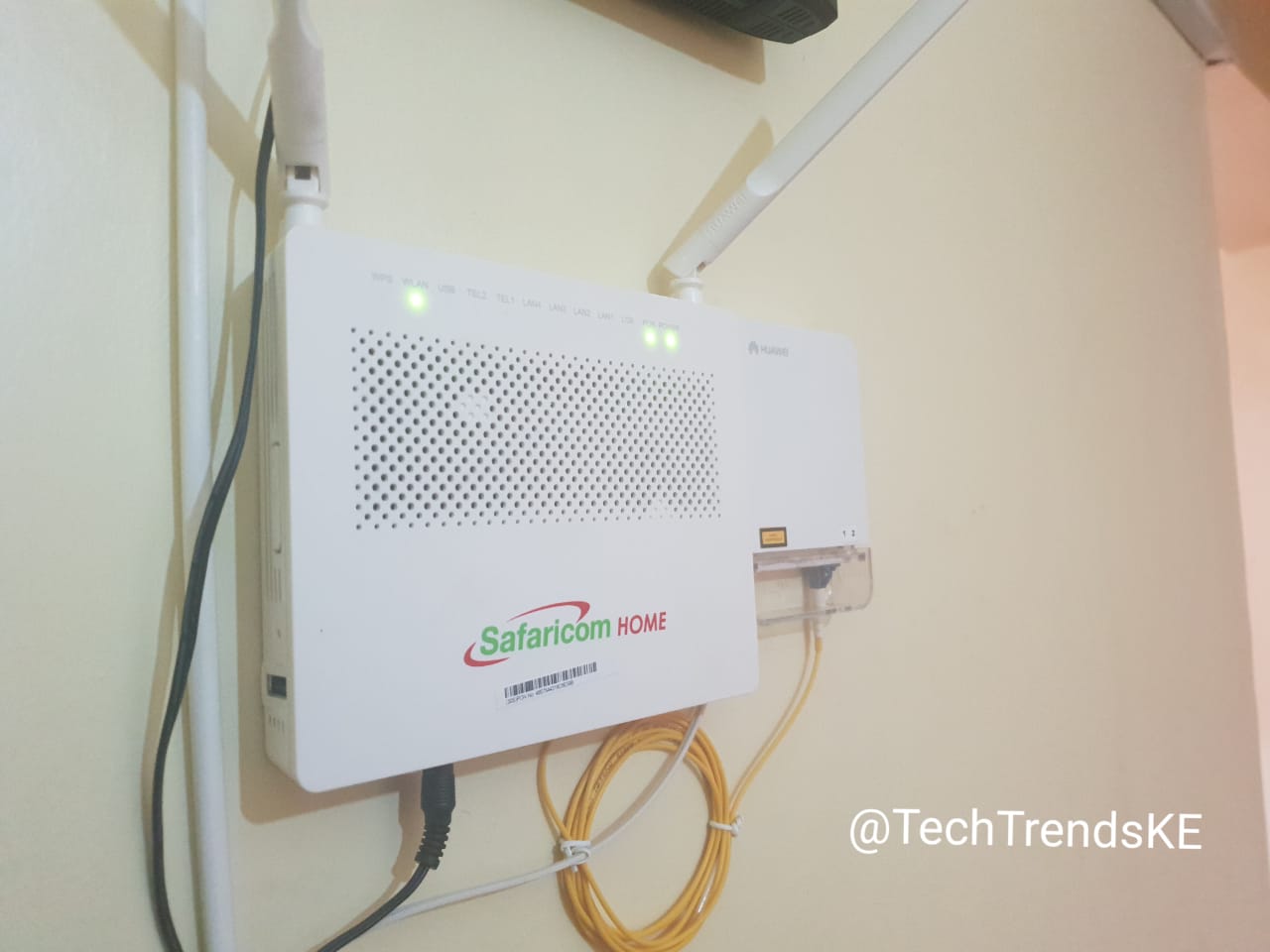
On any given weekday, you can find learners scattered across Nairobi estates, Kisumu suburbs, or rural Meru, sitting in front of laptops and tablets. Some are attending live math lessons over Zoom, others are revising for exams through online quizzes, while a few are streaming video tutorials on coding or design. What ties them together is not a chalkboard but a strong internet connection.

Over the past five years, e-learning has shifted from an emergency response to a permanent fixture in Kenya’s education ecosystem. Reliable connectivity has become the new baseline, with Safaricom Home Fibre now playing a visible role in keeping classes running smoothly in homes and schools.
Why speed and stability matter
For students, poor internet is more than an inconvenience. A dropped video call can mean missing critical instructions, while slow downloads delay assignments. Teachers face the same frustrations: lesson plans interrupted by buffering, or group discussions that fizzle out when connections break.
Safaricom Home Fibre attempts to solve this problem with a range of plans, from basic 15 Mbps packages for households with one or two learners, to high-capacity Diamond and Platinum tiers that can support entire families streaming and learning at once. The higher-end plans are particularly useful for households where school, business, and entertainment all collide under one roof.

E-learning beyond Nairobi
While e-learning often paints an urban picture, it’s increasingly common outside major cities too. In towns like Eldoret and Nakuru, parents are opting for fibre-powered setups at home to give their children uninterrupted access to school portals, video lessons, and revision apps. University students use it to collaborate on research projects, download lecture recordings, and keep up with coursework on cloud-based platforms.
The reach of fibre networks is still uneven, but where available, they’re closing gaps that mobile data alone cannot fill—especially for heavier tasks like video streaming, large file downloads, or real-time collaboration.

The creative side of learning
Education today isn’t confined to traditional school subjects. A growing number of Kenyan learners are taking up coding, digital design, and video production through online academies. Fibre internet makes this practical: uploading a design portfolio to a global platform or attending a live coding bootcamp is far less daunting when the connection is fast and stable.
This side of e-learning is less about passing exams and more about preparing for a digital economy. In that sense, home connectivity is not just enabling education, but also shaping future career paths.
Looking ahead
Kenya’s education system has entered a hybrid era—part physical classroom, part digital screen. Fibre internet, led by services such as Safaricom Home Fibre, is a critical part of making this model work.
The future will depend on how widely these connections spread, how affordable they become, and how well teachers and students adapt their methods to digital tools. What’s clear is that e-learning is no longer a side experiment. For many Kenyan families, it has become a daily routine—powered, more often than not, by a fibre cable running into the home.
Go to TECHTRENDSKE.co.ke for more tech and business news from the African continent.
Mark your calendars! The TechTrends Pulse is back in Nairobi this October. Join innovators, business leaders, policymakers & tech partners for a half-day forum as we explore how AI is transforming industries, driving digital inclusion, and shaping the future of work in Kenya. Limited slots – Register now – here.
Follow us on WhatsApp, Telegram, Twitter, and Facebook, or subscribe to our weekly newsletter to ensure you don’t miss out on any future updates. Send tips to editorial@techtrendsmedia.co.ke
TechTrends Media Podcasts

