
vivo X300 Series Promises 4K 60fps Cinematic Portrait Video and Dual 200MP Cameras to Challenge iPhone 17
While the iPhone 17 tops out at 4K 30fps, the X300 series pairs dual 200-megapixel cameras with a custom imaging chip to capture every detail in motion

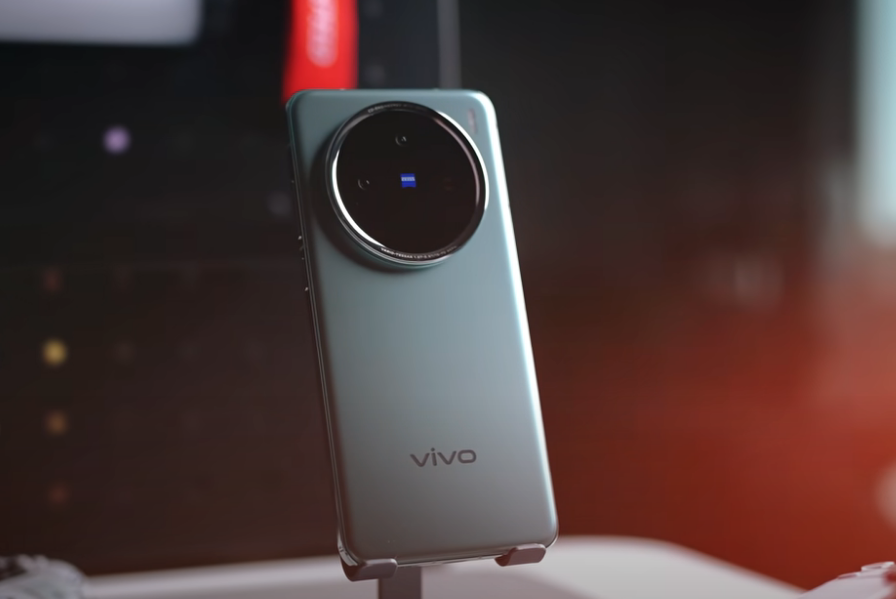
When vivo confirmed its upcoming X300 series, the message was clear: this is more than another annual refresh. It’s an attempt to push smartphone imaging to a place even Apple hasn’t gone.

The standout claim is bold. The X300 and X300 Pro will record cinematic portrait video in 4K at 60 frames per second, a first for any phone. Apple’s iPhone 17 series offers cinematic mode at 4K too, but it’s capped at 30fps. For creators who rely on mobile gear, doubling the frame rate means smoother subject motion and depth effects that feel closer to professional video rigs.
Hardware Behind the Claim
Pulling this off requires muscle. vivo is pairing MediaTek’s Dimensity 9500 with its own V3+ imaging chip, a combo tuned to handle real-time subject tracking, depth mapping, and blur transitions without choking on data load. The company says the phones will reach millisecond-level shutter and motion tracking response.
Benchmark hunters will note another headline: the Dimensity 9500 is tipped to break 4 million points on AnTuTu, the first smartphone chip to do so. That speaks not just to raw speed, but to efficiency under sustained use — key for high-frame-rate video recording.

Cameras That Stretch the Numbers
The vivo X300 Ultra is rumored to include two 200-megapixel cameras, with the Pro version using a custom Samsung 200MP sensor for its telephoto module. This offers more than just extreme resolution—it allows better zoom clarity, low-light performance, and richer detail across portrait and cinematic shots.
By comparison, the iPhone 17, while capable, relies on fewer megapixels and a lower frame rate, which may limit its ability to produce the same level of fluid motion or fine detail when subjects move quickly. vivo’s high-res sensors combined with the V3+ chip aim to bridge that gap.

The Other Pieces
- Display: OLED panels with slim bezels and ZEISS-tuned color calibration suggest a display that can faithfully render video content.
- Software: Android 16 out of the box, layered with vivo’s imaging-heavy enhancements.
- Performance tweaks: UFS 4.1 storage, up to 16GB RAM, and ultra-fast charging to keep the phones competitive, even during extended recording sessions.
Potential Challenges and vivo’s Counters
While the specs are impressive, real-world challenges remain. Recording 4K 60fps portrait video generates heat and large file sizes, which can throttle performance or cause camera artifacts. vivo’s solution appears to combine efficient processing, optimized cooling, and fast UFS 4.1 storage to mitigate these issues.
Edge accuracy in complex lighting is another potential hurdle. Previous cinematic modes on smartphones occasionally struggled with hairlines or background separation. vivo counters this with advanced depth mapping and real-time focus adjustments built into the V3+ chip. While nothing is guaranteed until hands-on tests, the design shows careful consideration of these pitfalls.
Taking on the iPhone 17
Apple’s cinematic mode set a high bar, but vivo is approaching the problem from a hardware-first perspective, doubling the frame rate, increasing resolution, and improving focus responsiveness. For creators, this could mean videos with more fluid motion, sharper detail, and professional-style depth effects—all without additional gear.
Launch Window
The vivo X300 series is expected to debut in October 2025 in China, with wider rollouts to follow in India and global markets shortly after.
If it delivers as promised, it could redefine the standard for mobile cinematic video and push competitors to raise the bar.
The Bigger Picture
In recent years, Apple has owned the conversation around mobile video, especially with its cinematic mode branding. vivo is betting that hardware and in-house imaging silicon can tilt that balance. Whether the X300 delivers on that bet will be clear soon enough — but for now, the promise of vivo X300 cinematic portrait video at 4K/60fps is enough to make rivals pay attention.
The vivo X300 series isn’t just chasing numbers; it’s addressing real-world challenges that affect how mobile video looks and feels. By tackling motion blur, heat, and depth mapping head-on, it could offer creators a smoother, more detailed, and more professional experience than the iPhone 17. The coming months will reveal whether vivo has truly matched ambition with execution.
Go to TECHTRENDSKE.co.ke for more tech and business news from the African continent.
Mark your calendars! The TechTrends Pulse is back in Nairobi this October. Join innovators, business leaders, policymakers & tech partners for a half-day forum as we explore how AI is transforming industries, driving digital inclusion, and shaping the future of work in Kenya. Limited slots – Register now – here.
Follow us on WhatsApp, Telegram, Twitter, and Facebook, or subscribe to our weekly newsletter to ensure you don’t miss out on any future updates. Send tips to editorial@techtrendsmedia.co.ke
TechTrends Media Podcasts


